

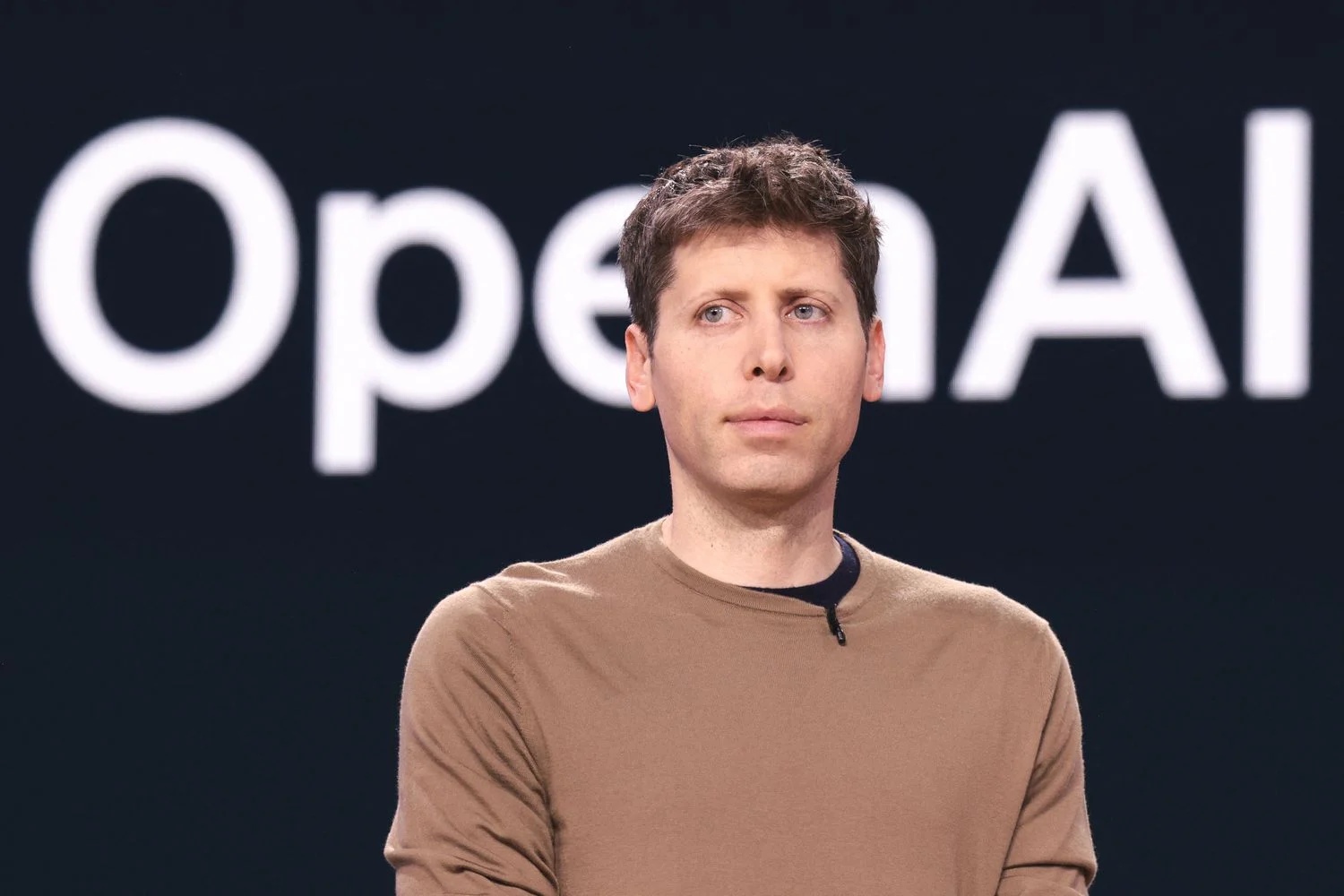
Image Credit: JASON REDMOND / AFP via Getty Images
OpenAI Launches Invisible Text Watermarking in the EU: A Technical and Ethical Breakdown
In a significant move to align with European regulations, OpenAI announced today that it will begin adding invisible watermarks to text generated by ChatGPT and Codex within the European Union. The rollout begins this week and marks a pivotal moment in the debate over AI transparency, authorship, and the detectability of machine generated content.
Compliance with the EU AI Act
The primary driver behind this update is the EU AI Act transparency code, which took effect on August 2. The legislation requires AI companies to mark AI generated content in a way that other systems can identify.
While the watermarking will roll out to eligible ChatGPT and Codex users on all plans within the EU over the coming weeks, OpenAI is taking a more cautious approach globally. Developers using the OpenAI API worldwide can enable the feature for select models starting today, though it remains off by default. OpenAI has confirmed it is not making text watermarking a global default at launch, likely due to the technical limitations and potential user backlash observed in the industry.
How It Works: The textGrain Method
Unlike a visible logo or a digital metadata tag that can be stripped away, the OpenAI watermark is embedded directly into the fabric of the text itself.
According to a technical report published alongside the announcement, the method dubbed textGrain works by subtly shaping the model’s word choices. Co-written with researchers from the University of Pennsylvania and Yale, the report explains that the system uses a secret key to sort next word predictions.
By adding hundreds of these tiny nudges to the model’s output, a detector can identify AI generated content using only the text and the key. Because the watermark lives in the words themselves, it travels with the text when it is copied and pasted.
OpenAI emphasizes that the watermark does not identify the user and claims it has seen no meaningful change in model performance with the feature switched on.
Limitations and Reliability
OpenAI is being transparent about the limitations of this technology. The company cautioned that a missing watermark does not prove human authorship. The text could be too short, too heavily edited, or simply generated by a competitor’s AI.
Furthermore, the watermark is not indestructible. OpenAI’s tests suggest that editing can remove the signature:
-
Paraphrasing: In one test, replacing just 10% of words with synonyms dropped detection rates from roughly 92% to 66%.
-
Content Type: Short passages, math answers, and translated text are inherently harder to detect.
Due to these reliability concerns, OpenAI is restricting initial detector access only to approved researchers and expert organizations.
The Industry Context: A Competitive Disadvantage?
The OpenAI decision comes two months after Anthropic implemented worldwide watermarking for Claude. That move sparked backlash from some users who argued that they supplied the instructions, context, and decisions while the AI was merely the tool, raising questions about who truly owns the output.
Historically, OpenAI has been hesitant to release text watermarking. As reported by The Wall Street Journal in 2024, the company held off on a previous watermarking build due to fears that users would switch to rival platforms that did not watermark their content.
However, with the EU AI Act now enforceable, major players including Anthropic, Google, Meta, Microsoft, and OpenAI have committed to following the EU code of practice. While the technology is not foolproof, it represents a necessary step toward distinguishing human creativity from machine generation in an increasingly automated web.
TechTrib.com is a leading technology news platform providing comprehensive coverage and analysis of tech news, cybersecurity, artificial intelligence, and emerging technology. Visit techtrib.com.
Contact Information: Email: [email protected] or for adverts placement [email protected]
About The Author
