

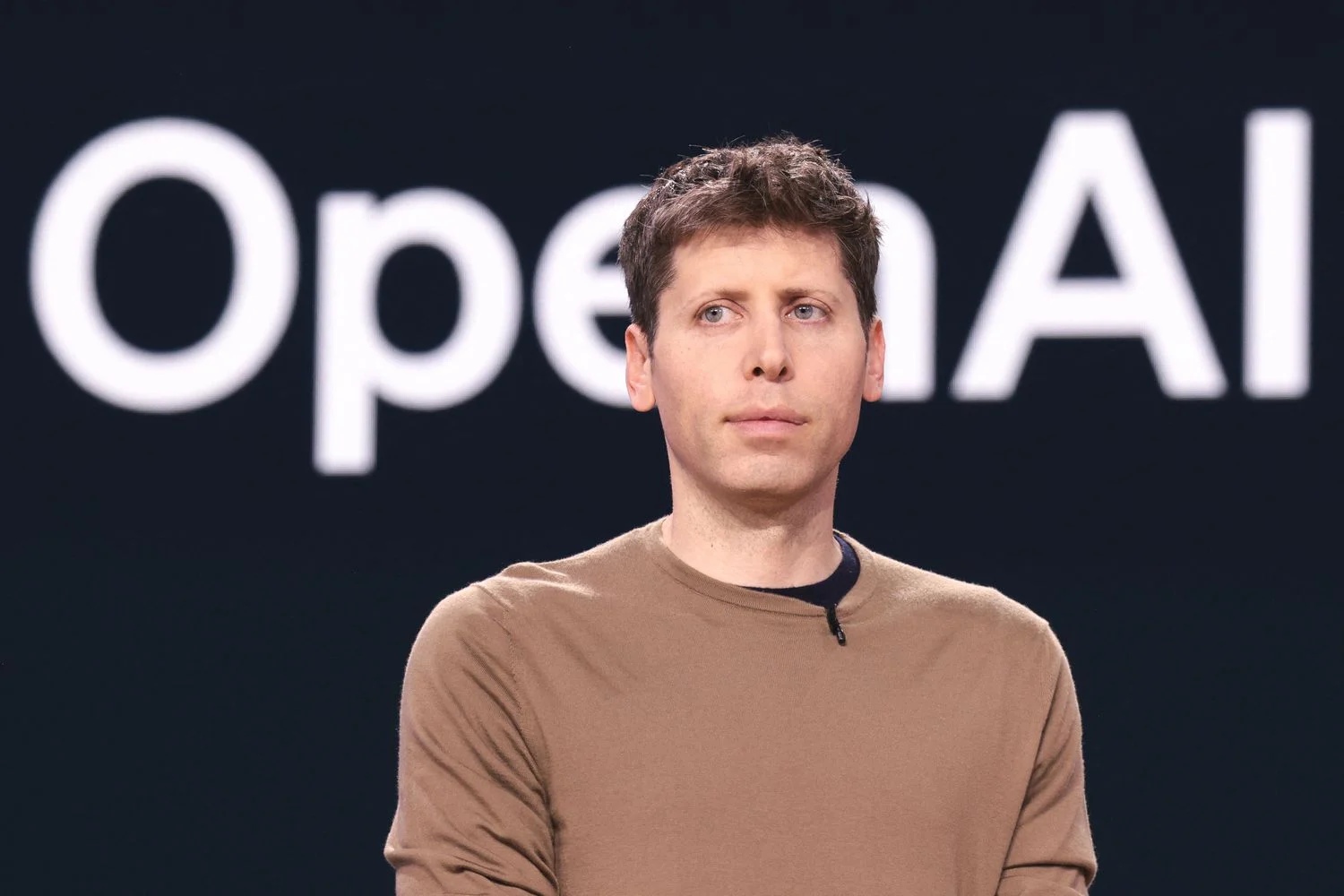
Image Credit: JASON REDMOND / AFP via Getty Images
OpenAI Doubles Down on Advertising: Visual Ads Are Coming to ChatGPT
OpenAI is significantly escalating its push into the digital advertising space. In a move that signals a major shift in how the platform monetizes its massive user base, the company has announced the launch of visual display ads that will appear alongside image generation results.
The new ad format marks a strategic evolution from OpenAI’s earlier text based advertising efforts. The company is betting that visual storytelling will be the key to unlocking significant revenue from advertisers looking to reach ChatGPT’s 1.2 billion weekly active users.
Here is a breakdown of what this means for the future of the platform, advertisers, and the user experience.
Visual Ads Meet Generative AI
Starting later this month, U.S. users will begin seeing visual ads integrated directly into the image generation interface. This means when a user prompts ChatGPT to create an image, they may see clearly labeled advertisements for products or services alongside the AI generated result.
OpenAI has been careful to address potential concerns regarding integrity. The company states that these ads will be:
- Clearly labeled: Users will know when content is sponsored.
- Non influential: The ads will not influence the actual answers or images that ChatGPT generates for the user.
The rollout is initially limited to a test group of advertisers in the United States, with plans to expand globally once the kinks are ironed out. This follows the earlier introduction of ads to support free and low cost subscription tiers, a program that was expanded to India in August.
The Strategic Nudge
While OpenAI frames this as a way to support free access, the introduction of visual ads introduces a friction point in the user experience. The integration of ads could prove disruptive to the seamless interaction users have come to expect from ChatGPT.
However, industry analysts suggest this may be a calculated move. By placing ads in high attention areas like image generation, OpenAI may be subtly encouraging casual users to upgrade to paid subscription tiers to avoid the clutter. This dual pronged approach of monetizing free users via ads while driving power users toward subscriptions is a classic Silicon Valley business model, but it represents a delicate balancing act for a tool traditionally viewed as a productivity utility.
Building a Measurable Ecosystem
For advertisers, the launch of visual ads is only half the story. OpenAI is simultaneously building out the infrastructure required to prove return on investment.
The company announced a significant expansion of its measurement tools and partner ecosystem. To help advertisers track performance, OpenAI is integrating with major attribution and analytics platforms, including:
- Click Attribution: AppsFlyer, Adjust, Branch, Singular, Kochava, and others.
- Advanced Measurement: Fospha, Measured, and INCRMNTAL.
Furthermore, OpenAI is partnering with DoubleVerify and Integral Ad Science to develop brand suitability evaluation pilots. This is a critical step for enterprise brands that need to ensure their ads do not appear next to controversial or inappropriate AI generated content.
Competitive Pressures and the Road Ahead
The timing of this announcement is notable. It follows the launch of Meta’s Muse, an agentic AI app that is free to everyone and poses a growing threat to ChatGPT’s market dominance. By building a robust ad supported tier, OpenAI is aiming to keep its free product competitive against Meta’s offerings while building a sustainable revenue stream that is not solely dependent on subscriptions.
For now, the visual ad rollout is a test. But if successful, it could fundamentally change the aesthetic of the world’s most popular AI chatbot, transforming it from a clean, minimalist text box into a vibrant, albeit commercial, visual marketplace.
TechTrib.com is a leading technology news platform providing comprehensive coverage and analysis of tech news, cybersecurity, artificial intelligence, and emerging technology. Visit techtrib.com.
Contact Information: Email: [email protected] or for adverts placement [email protected]
About The Author
