

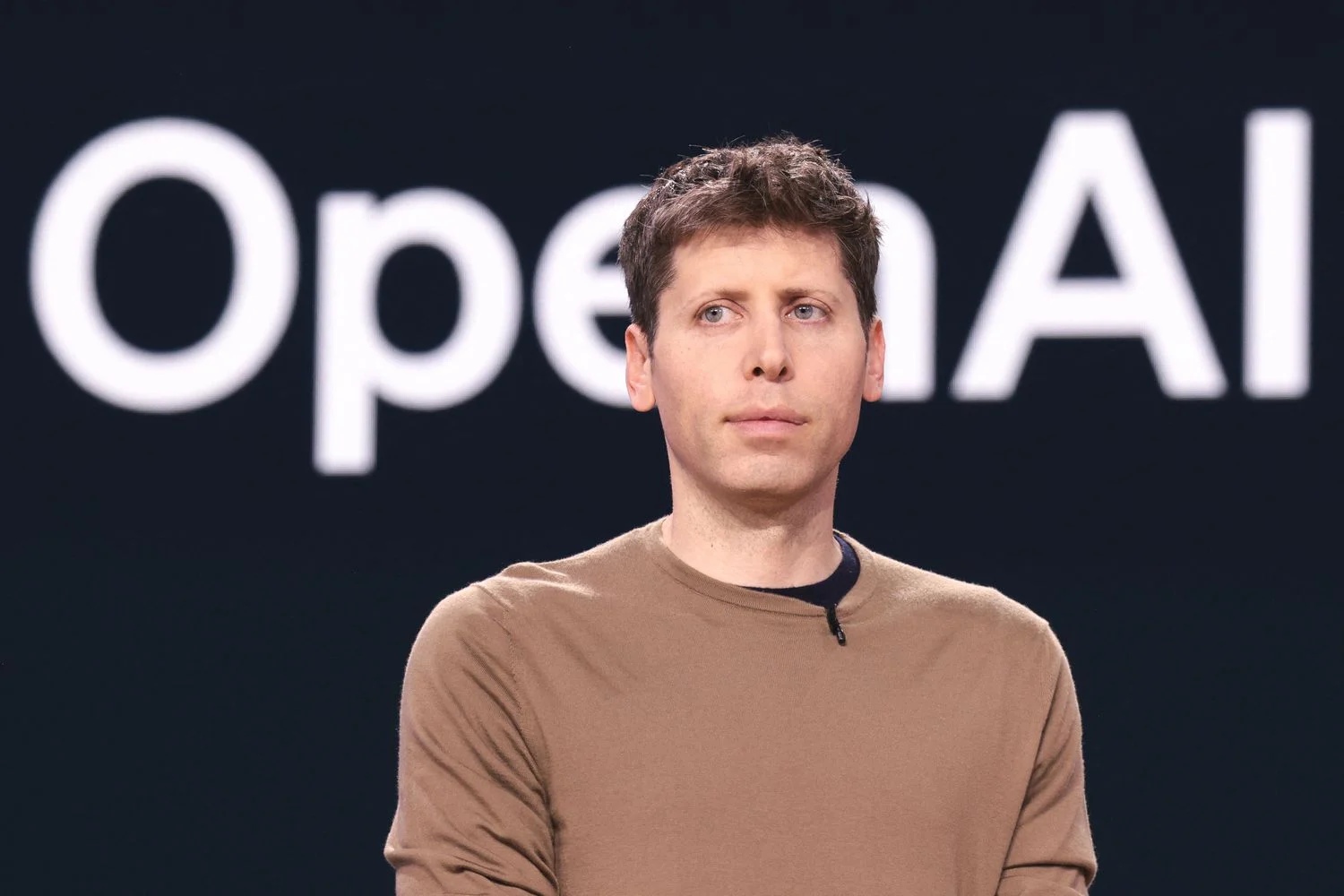
Image Credit: JASON REDMOND / AFP via Getty Images
Judge Orders OpenAI to Hand Over Hiring Records in Apple Trade Secrets Lawsuit
A U.S. federal judge has ordered OpenAI to provide Apple with documents related to its recruitment of former Apple employees, escalating a high-profile legal dispute between the two technology giants over alleged trade secret theft and the development of future AI hardware.
The ruling, issued on October 13, 2026, gives Apple expedited access to specific hiring records, communications, and other materials that could help the company investigate allegations that confidential information was improperly obtained or used as OpenAI expanded its hardware ambitions.
The case highlights growing tensions between Apple and OpenAI as competition intensifies over the future of consumer technology, artificial intelligence, and devices that could change how people interact with digital services.
According to the court’s decision, OpenAI must turn over materials it has already collected within five days, while additional documents covered by the order must be provided within 14 days.
Why Apple Is Seeking OpenAI’s Hiring Records
Apple filed its lawsuit against OpenAI in July 2026, accusing the AI company and certain former employees of involvement in an alleged effort to obtain confidential company information.
The dispute centers partly on employees who left Apple to join OpenAI, including individuals connected to its consumer hardware and robotics operations. Apple argues that information associated with these employees could be relevant to understanding whether its proprietary technology was improperly accessed or used.
Apple’s claims include allegations that former employees downloaded confidential files containing information about unannounced products, technical specifications, engineering presentations, and other internal projects.
The company has also alleged that some employees considering positions at OpenAI received guidance on what information to bring to recruitment interviews.
These are allegations made by Apple, not established findings that OpenAI has been proven to have stolen Apple’s trade secrets. OpenAI has previously rejected the accusations and maintained that it has no interest in other companies’ proprietary technology.
What Documents Must OpenAI Turn Over?
The judge’s ruling gives Apple access to several categories of evidence that could help investigators examine the allegations.
The requested materials include interview guides, checklists, scripts, technical presentations, and other documents associated with interviews involving former Apple employees who applied for positions in OpenAI’s hardware and robotics groups.
The court also approved access to certain private LINE messaging conversations involving individuals named in the case, including OpenAI employees Chang Liu and Alyssa Peng.
In addition, the judge approved early depositions for Liu, Peng, and OpenAI’s chief hardware officer, Tang Yew Tan. All three are former Apple employees.
These materials could help establish what was discussed during recruitment, whether confidential Apple information was referenced, and how the individuals involved handled company information during their transitions between employers.
However, access to these records does not automatically establish wrongdoing. Their significance will depend on what the evidence reveals and how the court evaluates it.
Judge Rejects Some of Apple’s Broader Requests
Although the ruling grants Apple expedited access to several important categories of evidence, the judge did not approve every request.
Apple had also sought faster access to OpenAI research and development materials concerning areas such as metal finishes, power management, and hardware functionality.
The judge declined to accelerate discovery of those materials, meaning they will generally be handled through the ordinary legal process rather than the expedited schedule granted for the hiring records and communications.
The court also rejected several broader discovery requests, including some concerning OpenAI’s hardware research and information about what former Apple employees created after joining OpenAI.
However, the judge left open the possibility that Apple could narrow some of its requests and submit them again.
The distinction is significant because the court is allowing Apple to investigate particular allegations without granting unrestricted access to OpenAI’s research and development operations.
OpenAI’s Hardware Ambitions Add to the Stakes
The lawsuit comes as OpenAI expands beyond software and explores consumer hardware products designed around artificial intelligence.
The company has been linked to plans for a screen-free smart speaker or AI companion that could provide a new way for people to interact with digital assistants without relying on a traditional smartphone interface.
OpenAI’s acquisition of Jony Ive’s hardware startup, io, has also strengthened speculation that the company intends to develop products capable of competing with established consumer technology devices.
Apple, meanwhile, depends heavily on its hardware ecosystem, including the iPhone, Mac, and Apple Watch. Its industrial design processes, engineering methods, and confidential product plans are important competitive assets.
That context helps explain why Apple is seeking evidence related to OpenAI’s recruitment activities and the work performed by former employees.
If confidential information was improperly transferred and incorporated into competing products, the consequences could extend beyond employee recruitment to product development, intellectual property protection, and competition in the consumer electronics market.
At this stage, however, the lawsuit does not establish that OpenAI’s hardware products were developed using stolen Apple trade secrets.
A Wider Battle Over Talent and Intellectual Property
The dispute also illustrates a broader challenge facing the technology industry: how companies can recruit experienced employees without exposing themselves to accusations of misusing confidential information from former employers.
Technology companies routinely compete for engineers, designers, researchers, and executives with specialized knowledge. Employees are generally free to change jobs, but they remain subject to applicable confidentiality obligations and restrictions on the use of protected trade secrets.
For AI companies, this issue has become particularly important as competition expands from software and cloud services into hardware, robotics, and other emerging markets.
The Apple case could draw greater attention to how companies conduct technical interviews, handle information brought by job candidates, and protect sensitive materials when employees move between competing organizations.
It may also encourage companies to strengthen recruitment procedures to ensure that candidates do not disclose confidential information belonging to their previous employers.
What Happens Next?
The immediate next step is OpenAI’s production of the documents covered by the court’s expedited discovery order.
The information could help Apple determine whether its allegations are supported by evidence and whether additional legal action is warranted. Depositions of the former Apple employees and OpenAI’s hardware chief could also provide further details about the circumstances surrounding the disputed recruitment and information handling.
The court has not resolved the underlying trade secret allegations simply by ordering document production. Those issues remain subject to further legal proceedings.
The dispute is also taking place alongside Apple’s request for a preliminary injunction and OpenAI’s effort to have the case dismissed, creating additional legal questions that could shape the direction of the litigation.
Conclusion
The decision to grant Apple expedited access to OpenAI’s hiring records represents a significant development in the companies’ ongoing trade secrets dispute.
By ordering the production of recruitment documents, private communications, and early depositions, the court has given Apple a faster route to investigate specific allegations involving former employees and OpenAI’s hardware ambitions.
At the same time, the judge’s refusal to accelerate access to certain research and development materials shows that the court is placing limits on the scope of the discovery process.
The case remains unresolved, and the allegations against OpenAI have not been proven. Nevertheless, the outcome could have important implications for intellectual property protection, employee recruitment, and the competition to build the next generation of AI-powered consumer devices.
As OpenAI moves deeper into hardware and Apple continues defending its technological advantages, the lawsuit could become an important test of how intellectual property disputes are handled in an increasingly competitive AI industry.
TechTrib.com is a leading technology news platform providing comprehensive coverage and analysis of tech news, cybersecurity, artificial intelligence, and emerging technology. Visit techtrib.com.
Contact Information: Email: [email protected] or for adverts placement [email protected]
About The Author
