

Bipartisan Lawmakers Push to Ban Hack for Hire Firms
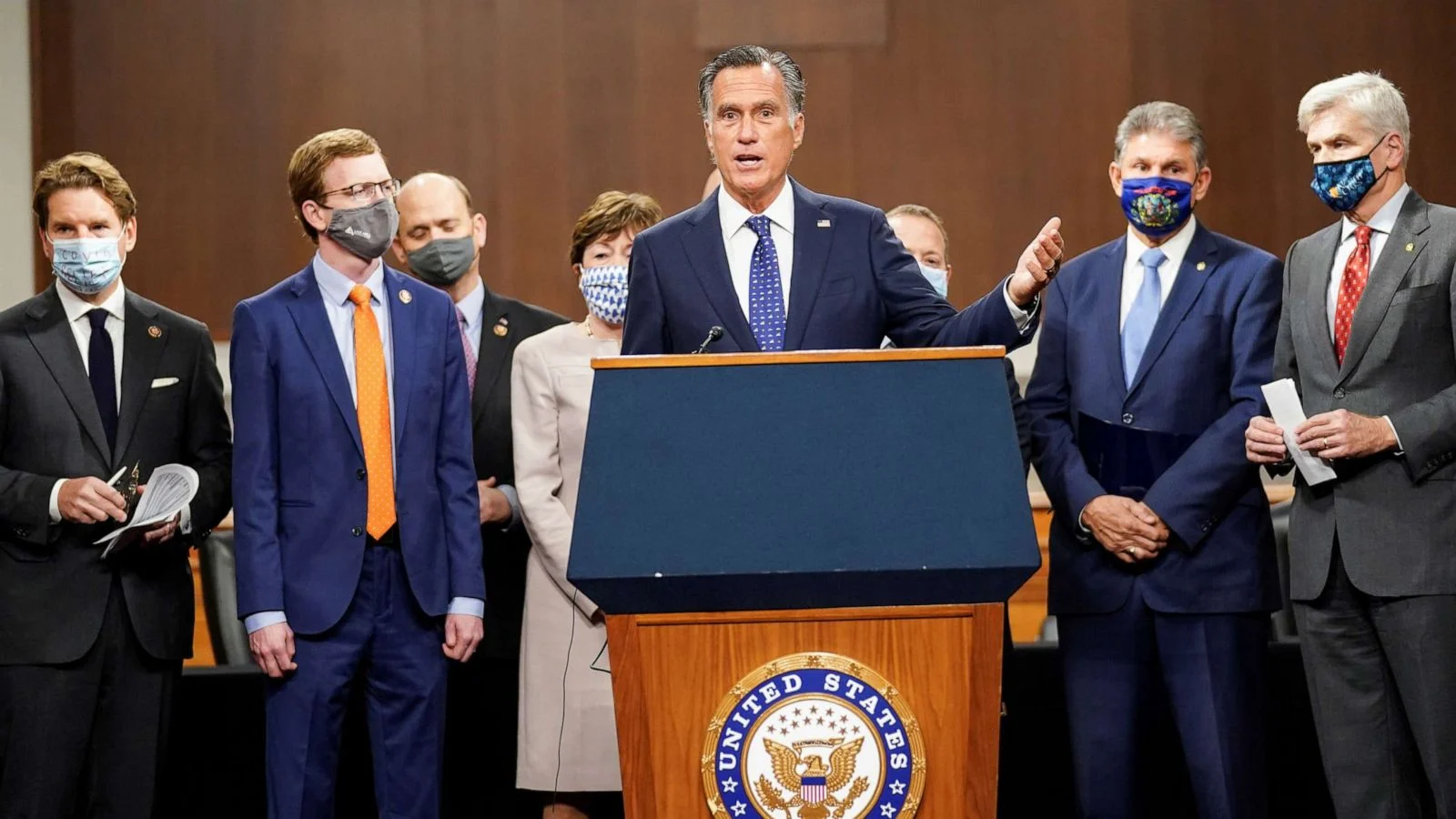
A group of bipartisan lawmakers is asking the US government to ban several hack for hire firms, according to reports. The move signals growing concern in Washington over an industry that sells cyber intrusion tools to governments and other clients around the world.
What Is the Hack for Hire Industry?
Hack for hire firms build and sell surveillance and intrusion capabilities. Their customers are often governments, law enforcement agencies, and in some cases private entities. The tools they provide can include spyware, zero day exploits, and systems designed to break into phones, computers, and cloud accounts.
For years, this industry operated in a gray zone. The firms themselves were private companies. Their clients were often state actors. And the legal frameworks governing their activity were patchy at best.
Why Lawmakers Are Acting Now
The push to ban specific firms reflects a broader shift in how policymakers view commercial spyware. What was once treated as a niche national security matter is now seen as a human rights and domestic security issue.
Several factors are driving the urgency:
- Targets are expanding. Journalists, activists, opposition politicians, and even US officials have reportedly been surveilled with these tools.
- Oversight is thin. Many firms operate across multiple jurisdictions, making accountability difficult.
- The technology is spreading. Capabilities once limited to a handful of advanced states are now available to anyone who can pay.
The Case for a Ban
Supporters of banning these firms argue that voluntary guidelines have failed. The industry has had years to clean up its act, and reports of abuse keep surfacing.
A ban, they say, would do three things. It would cut off a key source of revenue for the most egregious actors. It would send a signal to allied governments that this market is not acceptable. And it would give US agencies clearer authority to sanction companies that cross the line.
The Case Against
Critics of a blanket ban raise their own concerns.
Some argue that banning US firms simply pushes the market offshore, to countries with even less oversight. Others say the government needs these capabilities for legitimate national security work, and that a ban could hamper lawful operations. There’s also the practical question of enforcement. How do you ban a company that operates through shell entities across multiple countries?
The Real Question Isn’t Privacy. It’s Power.
Most debates about surveillance tools stall at “do you trust the company?” That’s the wrong frame.
The better question is this. What happens when the ability to break into anyone’s phone becomes a commodity? When the tools once reserved for a handful of states are sold to whoever can pay, and when the targets include the people who make the laws?
Even with strong oversight and clear rules, we’re building a world where intrusion is a service. That’s a political shift, not just a technical one.
What to Watch For
If you care about this space, keep an eye on three things:
- Which firms are named. A targeted list matters more than a broad statement of concern.
- What tools the government actually has. Sanctions, export controls, and procurement bans are very different instruments.
- Whether allies follow. A US only ban does little if the companies relocate and keep selling.
Conclusion
The bipartisan push to ban hack for hire firms is a meaningful step, but it is only a step. The industry exists because there is demand, and demand will not disappear because a few companies are named in a letter.
The most consequential technologies are rarely the ones that feel like a threat. They’re the ones that feel like a tool, until one day they’re the baseline, and no one remembers deciding.
TechTrib.com is a leading technology news platform providing comprehensive coverage and analysis of tech news, cybersecurity, artificial intelligence, and emerging technology. Visit techtrib.com.
Contact Information: Email: [email protected] or for adverts placement [email protected]
About The Author
