

Everything Apple Announced This Fall, and Why the Always Listening Watch Matters Most
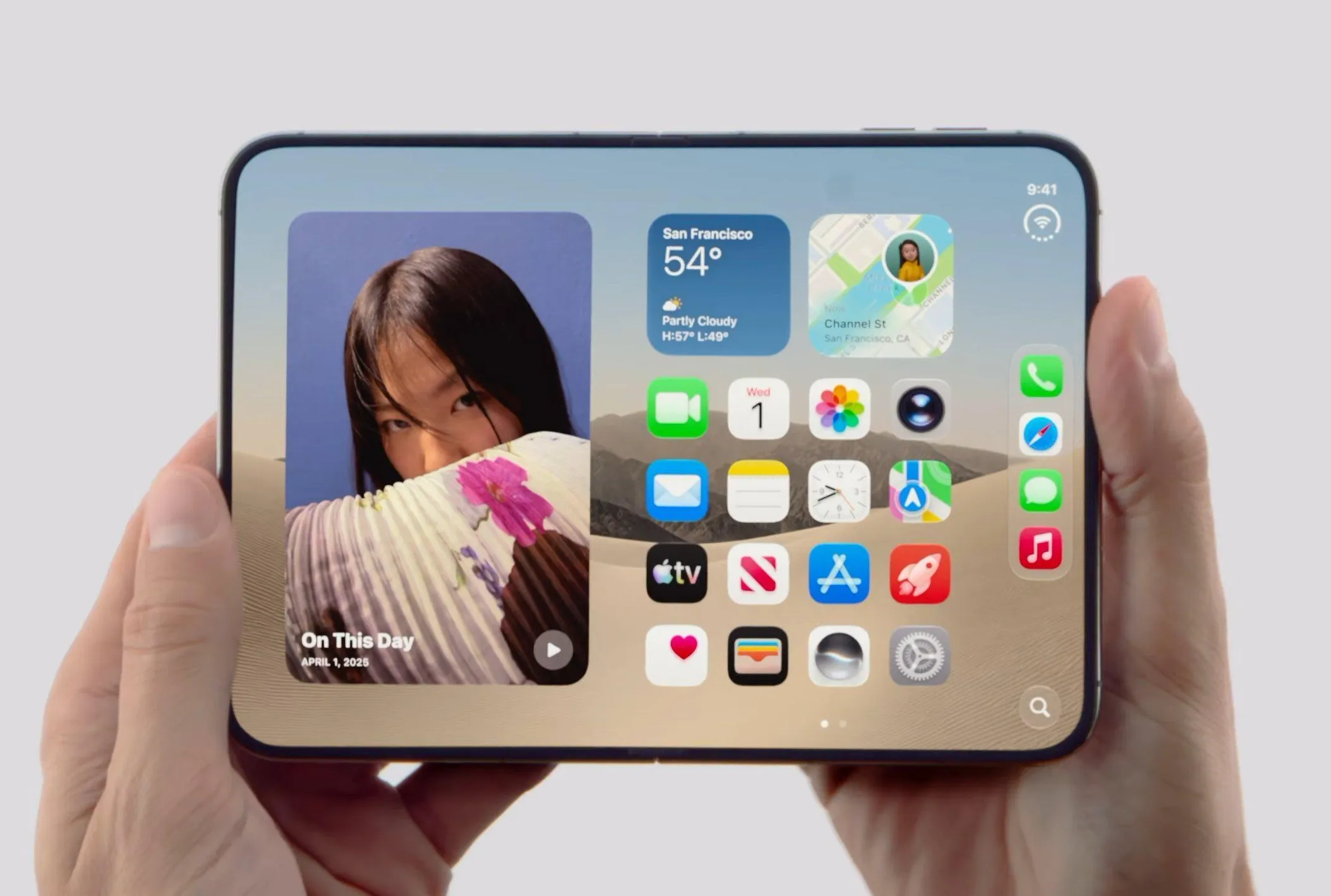
Apple’s fall event delivered the usual mix of hardware refreshes, software features, and a few surprises. But among the foldable iPhone Duo and the standard spec bumps, one announcement deserves more attention than it got: an Apple Watch that listens all the time.
The Headline Grabs
Apple’s fall keynote covered a lot of ground. The foldable iPhone Duo finally arrived, signaling a new form factor era for the company. Camera systems improved, chips got faster, and the usual battery life claims were made. These are the things that trend on social media for a day and then fade.
Then there’s the Apple Watch. Its new AI features are built around continuous listening, and that’s the part worth sitting with.
What Always Listening Actually Means
The original smartwatch promise was passive. Heart rate, steps, sleep. You opted in, and the device stayed in its lane.
This new generation breaks that boundary. Instead of waiting for a wake word, the watch is designed to understand context. Your surroundings, your conversations, your tone. It isn’t just tracking your body anymore. It’s interpreting your life.
That’s a meaningful leap, and it happened with far less debate than the introduction of the microphone on the original Google Glass.
Why Always Listening Stops Feeling Creepy
There’s a well documented pattern in how consumers accept invasive technology. Convenience first, concern later.
- The friction disappears. When a feature works well, you stop thinking about the microphone. You just talk.
- The framing softens. “Always listening” becomes “ambient computing,” “contextual awareness,” or “proactive assistance.”
- The alternatives vanish. Once a feature is normalized, opting out means losing functionality your friends and coworkers take for granted.
Apple has been careful here, with on device processing, privacy labels, and explicit indicators. But careful design doesn’t change the underlying dynamic. It makes the dynamic easier to live with.
The Real Question Isn’t Privacy. It’s Power.
Most debates about always on devices stall at “do you trust the company?” That’s the wrong frame.
The better question is this. What happens when continuous audio capture becomes the price of admission for modern life? When your watch hears your arguments, your therapy sessions, your work calls, your doctor’s appointments, not because you asked it to, but because that’s how the product works?
Even with strong encryption and on device processing, we’re building a world where the default setting is recorded. That’s a cultural shift, not just a technical one.
What to Watch For
If you care about this space, keep an eye on three things:
- Default settings. Is ambient listening on by default, or does it require an explicit opt in?
- Indicator design. Can you tell, at a glance, when the device is capturing?
- Data retention. On device processing is only as meaningful as the deletion policy behind it.
The Takeaway
Apple’s fall event gave us plenty to talk about. The foldable iPhone Duo will get the headlines. But the always listening Apple Watch is the announcement that will shape how we live with our devices over the next decade.
The most consequential technologies are rarely the ones that feel like a threat. They’re the ones that feel like an upgrade, until one day they’re the baseline, and no one remembers deciding.
TechTrib.com is a leading technology news platform providing comprehensive coverage and analysis of tech news, cybersecurity, artificial intelligence, and emerging technology. Visit techtrib.com.
Contact Information: Email: [email protected] or for adverts placement [email protected]
About The Author
