

SpaceX’s Second Starship V3 Scrub: IPO Pressure Meets Rocket Reality
After the largest IPO in history, SpaceX’s stock tumbles as Raptor engines fail to ignite
Déjà Vu in South Texas
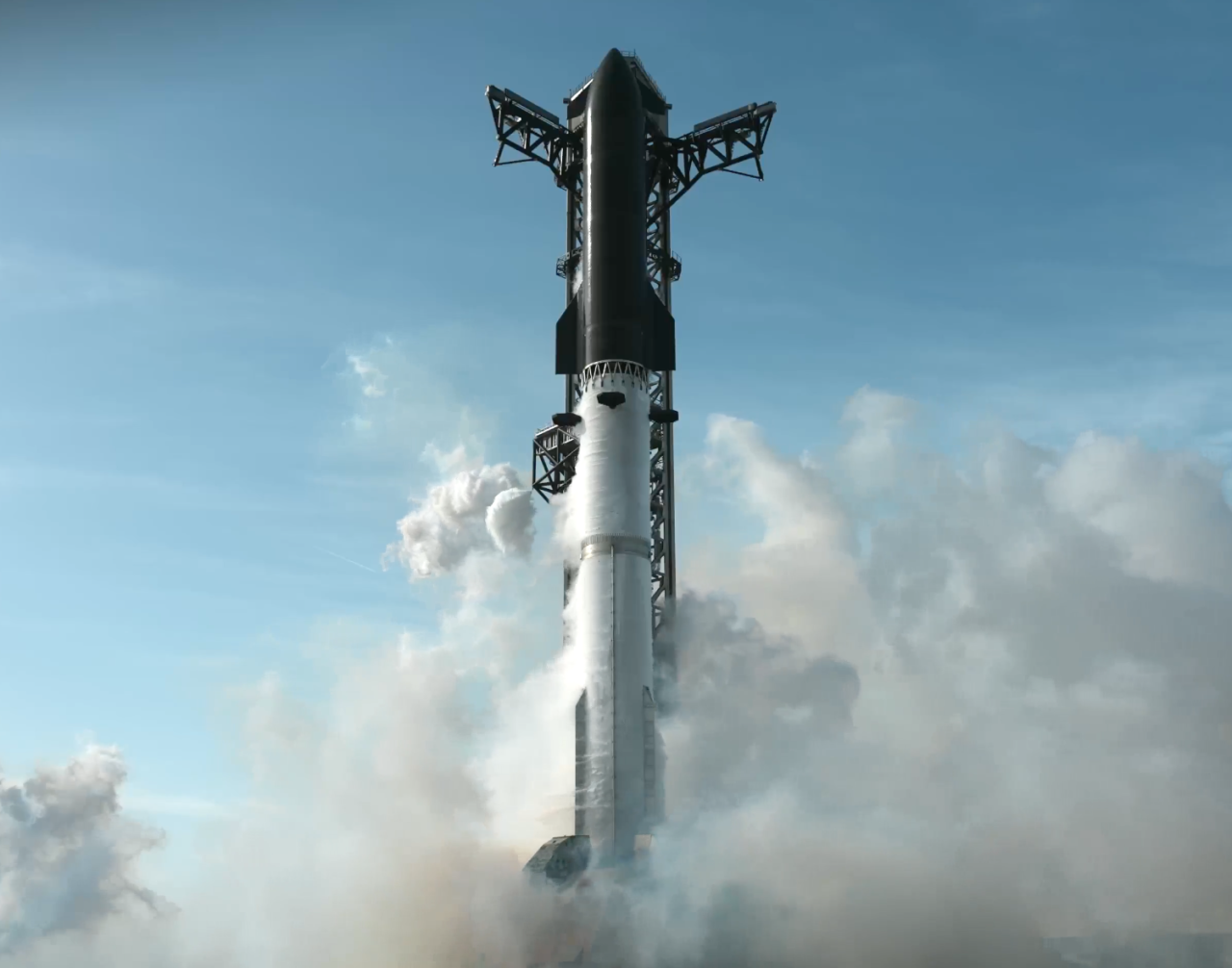
For the second time in as many attempts, SpaceX’s upgraded Starship V3 rocket remained firmly on the launchpad Thursday after a dramatic abort sequence. The scrub came just moments after the Super Heavy booster’s engines began ignition only for the system to automatically shut down when four of the 33 Raptor engines failed to start.
This abort mirrors the July 17 scrub covered by Ars Technica, with Elon Musk confirming the same issue: engine startup failures triggering an automatic abort. The company will replace two engines, with the next attempt pushed to next week.
The IPO Elephant in the Room
What makes Thursday’s scrub particularly noteworthy is its timing. SpaceX went public on June 12, 2026, in the largest IPO in history, raising over $85 billion and briefly touching valuations comparable to Amazon and Microsoft.
Since then, the stock has been in a steady decline. Thursday’s abort sent shares down more than 4% in after-hours trading, closing below the $135 IPO price.
This is the first Starship test attempt since becoming a public company, and the market is clearly paying attention. The pressure is now different for SpaceX it’s not just about engineering milestones anymore; it’s about quarterly results, investor confidence, and public market scrutiny.
Flight 12: The Mixed Bag
SpaceX is trying to return to flight after the first-ever Starship V3 launch in May, which was something of a mixed success:
The Good:
- Successful liftoff of the newly upgraded rocket
- Deployment of Starlink simulators
- Upper stage performed a simulated water landing without issues
The Bad:
- Super Heavy booster failed before its simulated landing
- Upper stage lost an engine during deployment
- FAA-ordered review identified “a number of causes and fixes”
The FAA cleared the company to fly again earlier this week, but the fixes apparently weren’t enough to solve the engine startup issues.
The Starlink Connection
Thursday’s mission was supposed to be a major step forward: launching first third-generation Starlink satellites. These are critical to SpaceX’s broader ambitions, including:
- Orbital data centers: a concept SpaceX believes is both technologically and economically viable
- Starlink as revenue engine: currently the only profitable portion of SpaceX’s business
- Proving V3 capabilities: the upgraded system is essential for future lunar and Mars missions
The fact that these satellites are designed to burn up after 20 minutes (since Starship hasn’t yet reached orbit) underscores that this is still very much a test program.
What’s Different This Time
- While the Ars Technica article focused on the technical and operational aspects, TechCrunch’s coverage highlights several new dimensions:
The Financial Pressure
- SpaceX is now a public company with all the attendant expectations. The stock drop shows investors are impatient for visible progress.
The Public Scrutiny
- The company’s decisions, delays, and communications are now subject to quarterly earnings calls and analyst reports.
The Competitive Landscape
- Starship isn’t just a vanity project it’s the delivery vehicle for Starlink, which faces increasing competition from Amazon’s Project Kuiper and others.
The Scale of Ambition
- “Orbital data centers” represent a massive leap in what SpaceX envisions. This isn’t just about internet satellites; it’s about relocating computing infrastructure to space.
The Technical Challenge Remains
Despite the new financial pressures, the fundamental engineering challenge hasn’t changed. The Super Heavy booster’s 33 Raptor engines must ignite in a precise, staggered sequence and they must do so consistently, both on the ground and during complex in-flight maneuvers.
The May mission showed that engine reliability remains an issue:
- Booster engines failed during the landing burn
- An upper stage engine shut down prematurely
Thursday’s abort suggests the startup sequence itself is still problematic. As Musk noted, replacing two engines is the immediate fix, but the underlying issue may be more systemic.
A Timeline of Tension
- June 12: SpaceX goes public in historic IPO, raising $85B
- May: First Starship V3 launch partial success, multiple engine issues
- July 16: Second launch attempt aborted after engine ignition failure
- July 17: Stock drops below IPO price in after-hours trading
What’s Next
SpaceX plans to replace two engines and try again early next week. But the clock is ticking in multiple ways:
- Technical: Each scrub delays data collection and progress toward operational capability
- Financial: Continued delays could further erode investor confidence
- Competitive: Rivals are advancing their own space-based internet systems
- Regulatory: The FAA is watching closely after the May anomalies
The company has weathered far worse setbacks before. But this is the first time it’s doing so with the eyes of Wall Street upon it.
Summary
SpaceX’s second Starship V3 launch attempt ended in an automatic abort when four of 33 Raptor engines failed to ignite, mirroring the previous scrub. The setback comes just over a month after the company’s record-breaking IPO, sending its stock below the $135 offering price in after-hours trading. CEO Elon Musk confirmed two engines will be replaced, with the next attempt pushed to next week. The mission was meant to launch first third-generation Starlink satellites critical to SpaceX’s “orbital data center” ambitions and its only profitable business unit. While engine reliability issues persist from the May launch, SpaceX now faces the added pressure of public market scrutiny as its stock continues to slide.
TechTrib.com is a leading technology news platform providing comprehensive coverage and analysis of tech news, cybersecurity, artificial intelligence, and emerging technology. Visit techtrib.com.
Contact Information: Email: [email protected] or for adverts placement [email protected]
About The Author
