

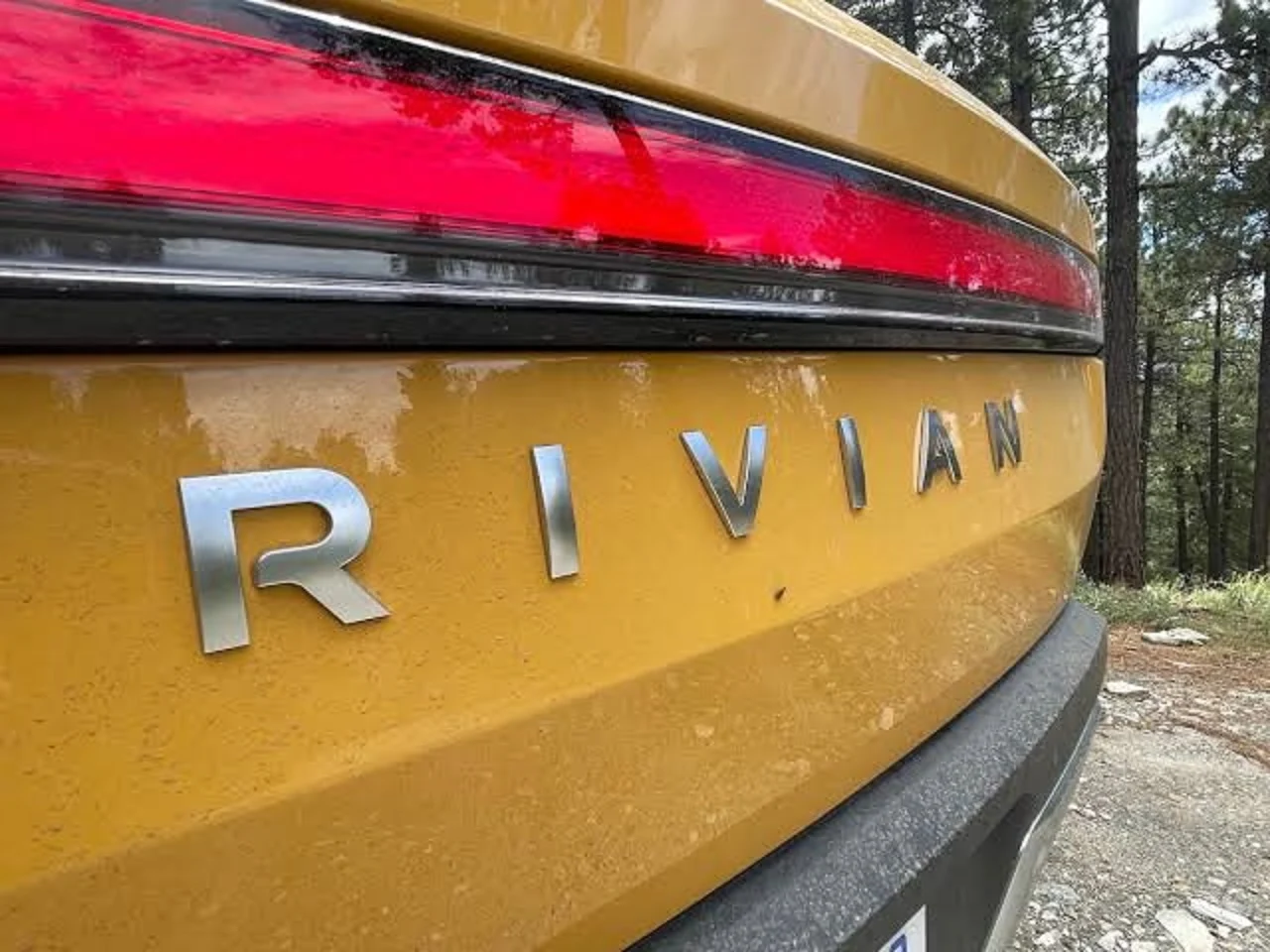
Rivian’s Self-Driving Lawsuit
A class-action complaint filed Wednesday in the U.S. District Court for the Central District of California alleges that Rivian made false claims about the autonomous driving capabilities of its first-generation R1T truck and R1S SUV models. The lawsuit claims that Rivian represented, over a five-year period and through a coordinated nationwide marketing campaign, that its Driver+ system would bring hands-free, eyes-off (Level 3) driving to every vehicle it builds.
Level 3 autonomy as defined by the Society of Automotive Engineers means the vehicle can automatically handle steering, acceleration, and braking without the driver’s hands on the wheel or eyes on the road in certain conditions. The lawsuit alleges Rivian knew its first-generation vehicles would never achieve this capability, yet continued to market them as if they would.
“No software update no matter how sophisticated will enable its Gen 1 Vehicles to perform as advertised,” the complaint reads. “Rivian unquestionably knew that its Gen 1 Vehicles would never be capable of Level 3 autonomy or ‘true hands-free driving’ yet continued to tout the supposed capabilities of its vehicles to induce consumers to purchase them.”
Among the appearances cited in the suit: Rivian CEO RJ Scaringe’s appearance at TechCrunch Disrupt 2022, where he reportedly made representations about the company’s autonomous driving ambitions. Rivian declined to comment, citing pending litigation.
This is not Rivian’s first legal battle. Last year, the company agreed to pay $250 million to settle a class-action shareholder lawsuit filed after it suddenly hiked prices on its R1 vehicles in 2022. The new lawsuit, which includes claims of fraud, negligent misrepresentation, and unjust enrichment, could prove even more costly.
Waymo Recalls 4,000 Robotaxis
Meanwhile, Alphabet-owned Waymo has recalled its entire fleet of nearly 4,000 robotaxis after identifying at least 13 instances of its vehicles driving into highway sections closed for construction. Six incidents occurred in Phoenix, Arizona in April; seven more happened in San Francisco, California in May.
Waymo pulled its robotaxis from all highways on May 19, and a software fix is “currently under development,” according to filings with the National Highway Traffic Safety Administration (NHTSA). The company is still operating on surface streets.
Footage of some incidents went viral on social media. One rider posted a video claiming a Waymo “blasted through cones” and was “chased” by police. “There were construction signs. There were lights going on. Police in the distance and it sped up,” the rider told CBS News. “That’s when I looked at my fiancée we’re dead. We’re going to die right here in the Waymo.” Waymo’s response? Three free rides worth up to $40 each.
This is Waymo’s sixth recall. Previous recalls addressed vehicles driving into flooded roads, illegal behavior around school buses, low-speed collisions with chains and gates, and problems with towed trucks. The company’s driving software is also under investigation by the NHTSA and National Transportation Safety Board regarding its behavior around school buses after one of its robotaxis struck a child near a school in January.
The Bigger Picture
Waymo maintains that its vehicles have driven more than 170 million miles autonomously and claims a 13x reduction in serious-injury-or-worse crashes compared to human drivers. The company is in the middle of a massive expansion, planning to launch in more than 20 cities this year, including London and Tokyo.
But the pattern of recalls and lawsuits across the AV industry from Tesla’s decade of Full Self-Driving promises to Rivian’s Driver+ marketing to Waymo’s construction zone failures suggests the industry has a systemic problem with overpromising. As autonomous vehicles move from novelty to infrastructure, the stakes of getting it wrong are rising fast.
Rivian isn’t alone in facing legal challenges over self-driving promises. Tesla and Elon Musk have spent a decade claiming vehicles would be fully autonomous via Full Self-Driving software, facing lawsuits and regulatory scrutiny in California over deceptive marketing of Autopilot. The California DMV ruled against Tesla, though it ultimately chose not to suspend the company’s licenses.
For quality tech news, professional analysis, insights, and the latest updates on technology, follow TechTrib.com. Stay connected and join our fast-growing community.
TechTrib.com is a leading technology news platform providing comprehensive coverage and analysis of tech news, cybersecurity, artificial intelligence, and emerging technology. Visit techtrib.com.
Contact Information: Email: news@techtrib.com or for adverts placement adverts@techtrib.com
About The Author
