

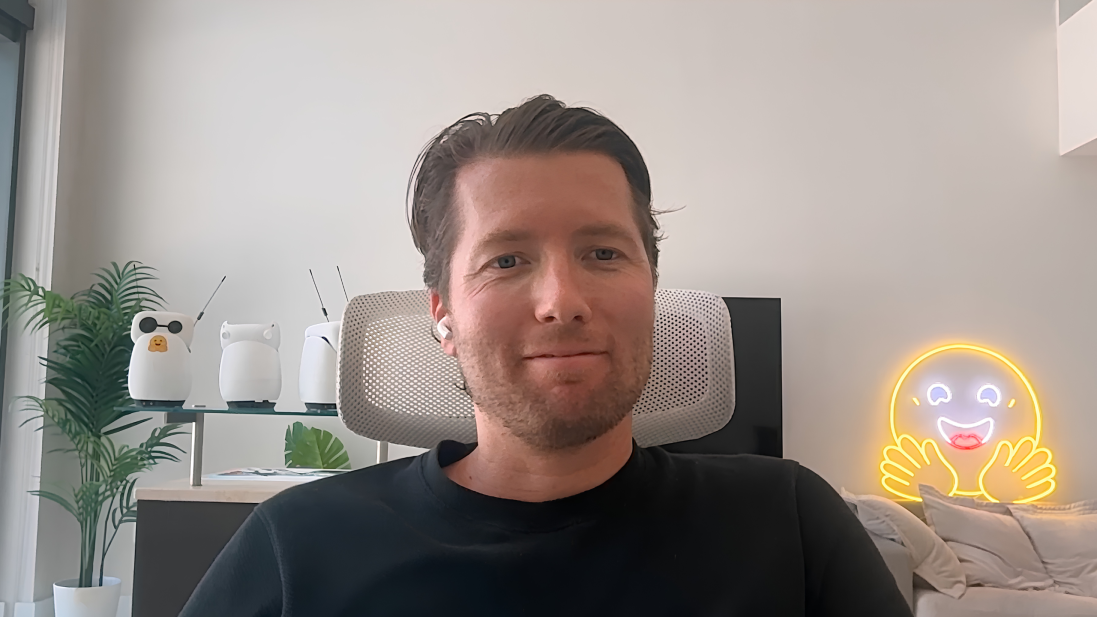
Hugging Face CEO Vows to Keep Fighting for Open Source AI After Jensen Huang’s Exit
Clément Delangue calls the Nvidia CEO’s departure “a really sad day” and reassures open source advocates that the fight will continue “harder than ever.”
A Brief but Pointed Statement
Hugging Face CEO Clément Delangue briefly commented on Nvidia CEO Jensen Huang’s departure on Thursday, calling it “a really sad day.” In a post on X, Delangue expressed frustration about the situation while making clear that his commitment to open source AI remains unchanged.
He wrote that the whole thing “sucks” and that he wished none of it had happened. But he wanted to make one thing clear: Hugging Face will keep fighting for open source AI, harder than ever. He described the work as too important to slow down now.
The post is interesting because it implies that Huang’s departure is potentially worrying to open source advocates, and Delangue is attempting to offer reassurance.
Why Huang’s Exit Matters to Open Source
As Nvidia’s CEO, Huang was known as a strong advocate for open source AI and open-weight models, which is why there could be concerns about how a company no longer under his leadership will approach this space.
Nvidia had announced its plan to acquire Hugging Face, the platform for open source AI models, in September for $12.9 billion, making it the second-largest acquisition in the company’s history, just behind that of chipmaker Groq’s assets for $20 billion in December 2025.
After Nvidia announced its plans to acquire Hugging Face, the U.S. Department of Justice began making inquiries about how the deal would impact competition in the AI market, Reuters reported in October. While Nvidia pledged that the platform would preserve open support, the deal would also allow the company to control a major distribution channel for AI models.
The Hugging Face deal is still scheduled to close in the first half of 2027. Requests for further comment on the deal status and whether Hugging Face has spoken yet with Nvidia’s interim CEO Colette Kress were not returned.
A Long Record of Advocacy
Huang’s advocacy for open source and open-weight AI has long extended beyond Hugging Face. In July, the CEO published an AI policy letter as his first-ever post on X. The letter, signed by 25 companies including Microsoft, Meta, Hugging Face, IBM, Palantir, and others, urged the U.S. government not to over-restrict open-weight AI models. It argued that models anyone can download, inspect, modify, and run on their own infrastructure are an important part of the AI ecosystem because they make AI more accessible, adaptable, and widely available.
Huang also wrote that open-weight models expand access to the AI economy, strengthen competition, and give customers greater control, since they know they will not become locked into a single provider. His post stated that open models strengthen safety and cybersecurity, accelerate innovation and diffusion, and enable sovereignty.
In August, Nvidia announced a $6 billion deal with the coding startup Poolside to help build out an open AI ecosystem in the U.S. to compete against Chinese companies like DeepSeek and Kimi K3, The Wall Street Journal reported at the time. Last month, Nvidia expanded its Nemotron family of open-weight models with a large 120-billion-parameter model for enterprise agents as well as two new lightweight Bolt models that run on PCs.
Earlier this year, Huang promoted open source AI during his January keynote address at the Consumer Electronics Show in Las Vegas, noting that open source models have “really revolutionized artificial intelligence.”
The Stakes for the Open Source Movement
The timing of Delangue’s statement reflects genuine uncertainty. Nvidia’s acquisition of Hugging Face would place one of the most important open source AI platforms under the control of the world’s dominant chipmaker. With Huang, a vocal open-weight advocate, at the helm, the arrangement carried an implicit promise. Without him, that promise is less certain.
The Justice Department’s competition inquiry adds another layer of complexity. Regulators will be weighing whether a single company should control both the hardware that powers AI and a major distribution channel for models. Delangue’s public reassurance suggests he wants to signal that Hugging Face’s mission will not change, regardless of who leads Nvidia.
Conclusion
Jensen Huang’s departure from Nvidia leaves open questions about the future of the company’s open source commitments, including its pending $12.9 billion acquisition of Hugging Face. Clément Delangue’s response is a deliberate effort to steady the open source community amid that uncertainty.
His message is essentially that the mission does not depend on any single executive. Open source AI, he argues, is too important to pause. Whether that confidence proves justified will depend on how Nvidia’s interim leadership, and ultimately its permanent CEO, approach the Hugging Face deal and the broader open-weight ecosystem Huang spent years championing.
TechTrib.com is a leading technology news platform providing comprehensive coverage and analysis of tech news, cybersecurity, artificial intelligence, and emerging technology. Visit techtrib.com.
Contact Information: Email: [email protected] or for adverts placement [email protected]
About The Author
