

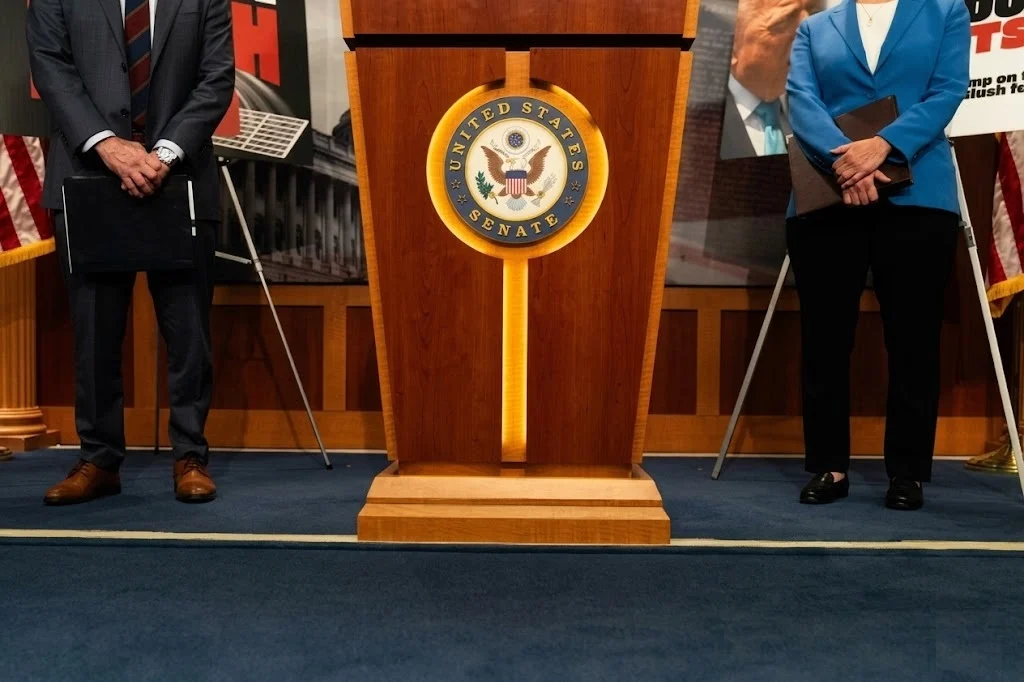
In an extraordinary and historic development, the United States Congress has allowed Section 702 of the Foreign Intelligence Surveillance Act (FISA) to expire for the first time since it was enacted in 2008. The lapse, which took effect on June 13, 2026, follows a bipartisan vote in the House of Representatives that rejected a short-term extension of the controversial surveillance law a stunning rebuke of the Trump administration’s intelligence agenda and a watershed moment for digital privacy in America.
What Is Section 702?
Section 702 of FISA is one of the most powerful surveillance tools in the U.S. government’s arsenal. It authorizes the National Security Agency (NSA) and other intelligence agencies to collect the electronic communications emails, texts, phone calls, and internet activity of foreign nationals located outside the United States, without a warrant. Critically, this collection also sweeps up the communications of American citizens who happen to be in contact with those foreign targets, a practice known as “incidental collection” that has been a source of intense controversy for years.
The law has been used to monitor foreign terrorists, state-sponsored hackers, and other national security threats. Intelligence officials have repeatedly described it as one of the most valuable tools for preventing attacks on U.S. soil and infrastructure.
Why Did Congress Let It Expire?
The vote collapsed in bipartisan fashion, with a coalition of Republicans and nearly all Democrats voting against the short-term extension. The proximate cause was political: Democrats objected to President Trump’s appointment of Bill Pulte a figure with no national security experience as acting Director of National Intelligence. The move was seen as an attempt to politicize the intelligence community, and lawmakers on both sides of the aisle balked.
Trump had previously nominated Jay Clayton as the permanent Director of National Intelligence, but that nomination had not yet been confirmed. The resulting leadership vacuum at the top of the U.S. intelligence apparatus created the conditions for the legislative standoff that ultimately led to the law’s expiration.
Implications for National Security
The expiration of Section 702 creates an immediate and significant gap in U.S. intelligence capabilities. Without the authority granted by the law, the NSA and FBI lose the ability to conduct warrantless surveillance of foreign targets at least until Congress passes a new authorization. Intelligence officials have warned that the lapse could blind the U.S. to emerging threats from adversaries including China, Russia, Iran, and North Korea.
The White House was reportedly warned to prepare for the lapse days in advance, but no contingency legislation was passed in time. The administration now faces pressure to negotiate a new authorization that can win bipartisan support a task that will require addressing longstanding concerns about the law’s impact on Americans’ privacy rights.
What This Means for Digital Privacy
For privacy advocates, the expiration of Section 702 is a long-sought victory. Organizations like the Brennan Center for Justice have argued for years that the law has been used to evade constitutional privacy protections and conduct warrantless surveillance of American citizens. The lapse creates an opportunity to reform the law with stronger safeguards before it is reauthorized.
For tech companies, the expiration creates legal uncertainty around government data requests. Companies that have been compelled to provide data under Section 702 orders may now have grounds to challenge new requests until the law is reauthorized.
What Happens Next
Congress is expected to return to the issue quickly, given the national security stakes. However, any new authorization will likely face intense negotiations over privacy protections, oversight mechanisms, and the scope of permissible surveillance. The episode underscores the deep tensions between national security imperatives and civil liberties that have defined the post-9/11 era tensions that show no sign of resolution in the current political environment.
For quality tech news, professional analysis, insights, and the latest updates on technology, follow TechTrib.com. Stay connected and join our fast-growing community.
TechTrib.com is a leading technology news platform providing comprehensive coverage and analysis of tech news, cybersecurity, artificial intelligence, and emerging technology. Visit techtrib.com.
Contact Information: Email: news@techtrib.com or for adverts placement adverts@techtrib.com
About The Author
