

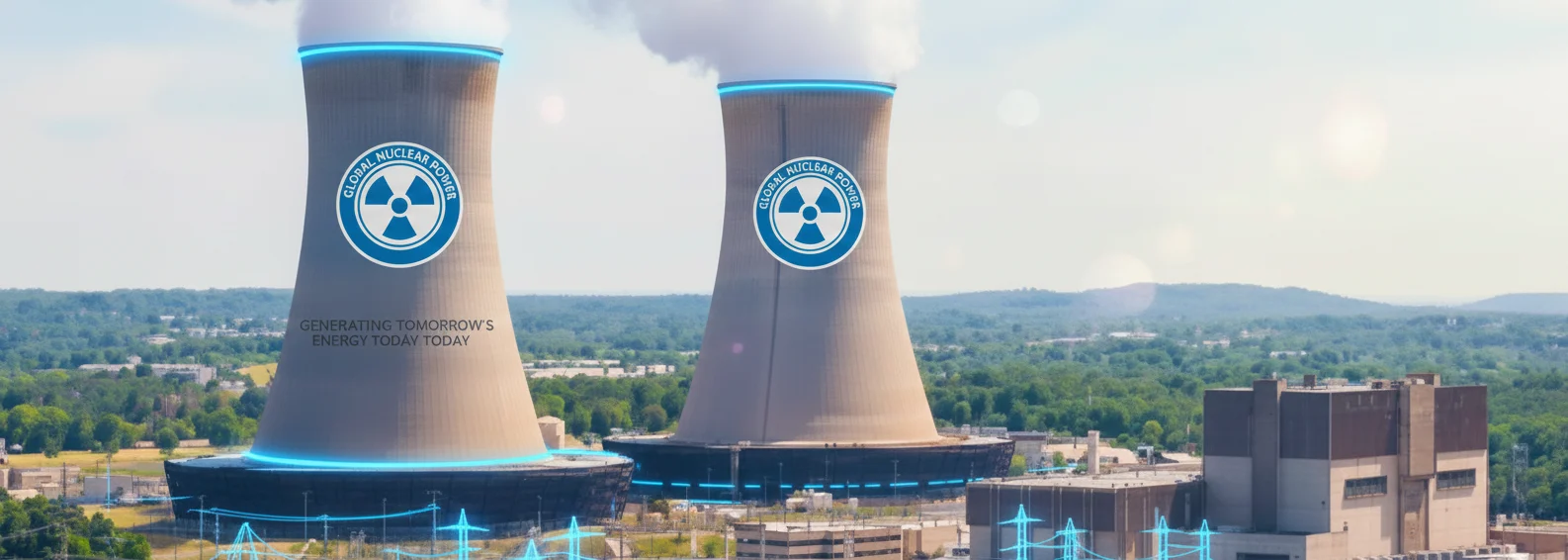
Nuclear energy is experiencing a remarkable renaissance, with innovative startups leading the charge through small modular reactor (SMR) technology. After years of decline, the nuclear industry is attracting significant investment and renewed interest as governments and corporations seek reliable, carbon-free energy solutions to meet climate goals.
The Small Modular Reactor Revolution
Small modular reactors represent a fundamental shift from traditional large-scale nuclear power plants. These compact, factory-built reactors offer numerous advantages over conventional nuclear technology, making them attractive to investors and energy planners worldwide.
Key advantages of SMR technology include:
- Reduced capital costs and construction time
- Enhanced safety features with passive cooling systems
- Modular design allowing for scalable deployment
- Smaller footprint suitable for diverse locations
- Improved economics through factory production
Leading Nuclear Startups and Their Innovations
Several nuclear startups are pioneering breakthrough technologies that address traditional concerns about nuclear power:
NuScale Power: Leading the SMR market with its 77-megawatt reactor design, NuScale has received regulatory approval and is planning commercial deployment by 2029.
TerraPower: Backed by Bill Gates, TerraPower is developing traveling wave reactors that can run on depleted uranium, significantly reducing waste concerns.
X-energy: Focusing on high-temperature gas-cooled reactors using TRISO fuel, which cannot melt down under any circumstances.
Kairos Power: Developing fluoride salt-cooled reactors that operate at low pressure, enhancing safety and reducing infrastructure requirements.
Investment Surge and Market Dynamics
The nuclear startup sector has attracted unprecedented investment in recent years, with venture capital, government funding, and corporate partnerships driving innovation:
- $7.2 billion invested in nuclear startups in 2025
- Government commitments exceeding $15 billion globally
- Major tech companies are signing nuclear power agreements
- Projected SMR market size: $300 billion by 2035
Addressing Traditional Nuclear Challenges
Modern nuclear startups are systematically addressing the issues that have historically plagued the nuclear industry:
Safety Concerns: New reactor designs incorporate passive safety systems that don’t require external power or human intervention to shut down safely.
Waste Management: Advanced reactor designs can use existing nuclear waste as fuel, reducing long-term storage requirements.
Cost Overruns: Factory-built modular designs promise more predictable costs and faster deployment timelines.
Public Acceptance: Smaller, safer reactors with enhanced security features are gaining broader public support.
Regulatory Progress and Government Support
Regulatory agencies worldwide are adapting their frameworks to accommodate new nuclear technologies:
- US Nuclear Regulatory Commission has approved several SMR designs
- European Union has included nuclear in its green taxonomy
- Canada and the UK have fast-tracked SMR licensing processes
- China and Russia are deploying demonstration reactors
Corporate Adoption and Energy Partnerships
Major corporations are increasingly turning to nuclear power to meet their carbon neutrality goals:
- Tech giants like Google and Microsoft are exploring nuclear partnerships
- Industrial companies seeking reliable, carbon-free power
- Utilities planning SMR deployments for grid stability
- Mining and manufacturing sectors considering on-site nuclear power
Challenges and Obstacles
Despite the positive momentum, nuclear startups still face significant challenges:
Technical Hurdles:
- Proving new reactor designs at a commercial scale
- Developing robust supply chains for specialized components
- Training skilled workforce for new technologies
Economic Challenges:
- Competing with increasingly cheap renewable energy
- Securing long-term financing for capital-intensive projects
- Achieving economies of scale in manufacturing
Regulatory and Social Barriers:
- Navigating complex licensing processes
- Addressing public concerns about nuclear safety
- Managing radioactive waste and decommissioning
Global Market Outlook
The global nuclear startup ecosystem is expanding rapidly, with different regions taking varied approaches:
North America: Leading in SMR development with strong government support and private investment.
Europe: Focusing on advanced reactor designs and international cooperation initiatives.
Asia-Pacific: Aggressive deployment plans with government-backed programs in China, Japan, and South Korea.
Future Implications
The nuclear startup renaissance could have profound implications for global energy systems:
- Accelerated decarbonization of electricity grids
- Enhanced energy security and independence
- New opportunities for industrial applications
- Potential for nuclear-powered hydrogen production
As climate pressures intensify and energy security concerns grow, nuclear startups are positioned to play a crucial role in the global energy transition. While challenges remain, the combination of innovative technology, supportive policies, and growing market demand suggests that nuclear power’s second act may be its most successful yet.
The success of these nuclear startups will largely depend on their ability to deliver on promises of safer, cheaper, and more flexible nuclear power while maintaining public trust and regulatory support.
For quality tech news, professional analysis, insights, and the latest updates on technology, follow TechTrib.com. Stay connected and join our fast-growing community.
TechTrib.com is a leading technology news platform providing comprehensive coverage and analysis of tech news, cybersecurity, artificial intelligence, and emerging technology. Visit techtrib.com.
Contact Information: Email: news@techtrib.com or for adverts placement adverts@techtrib.com
About The Author
