

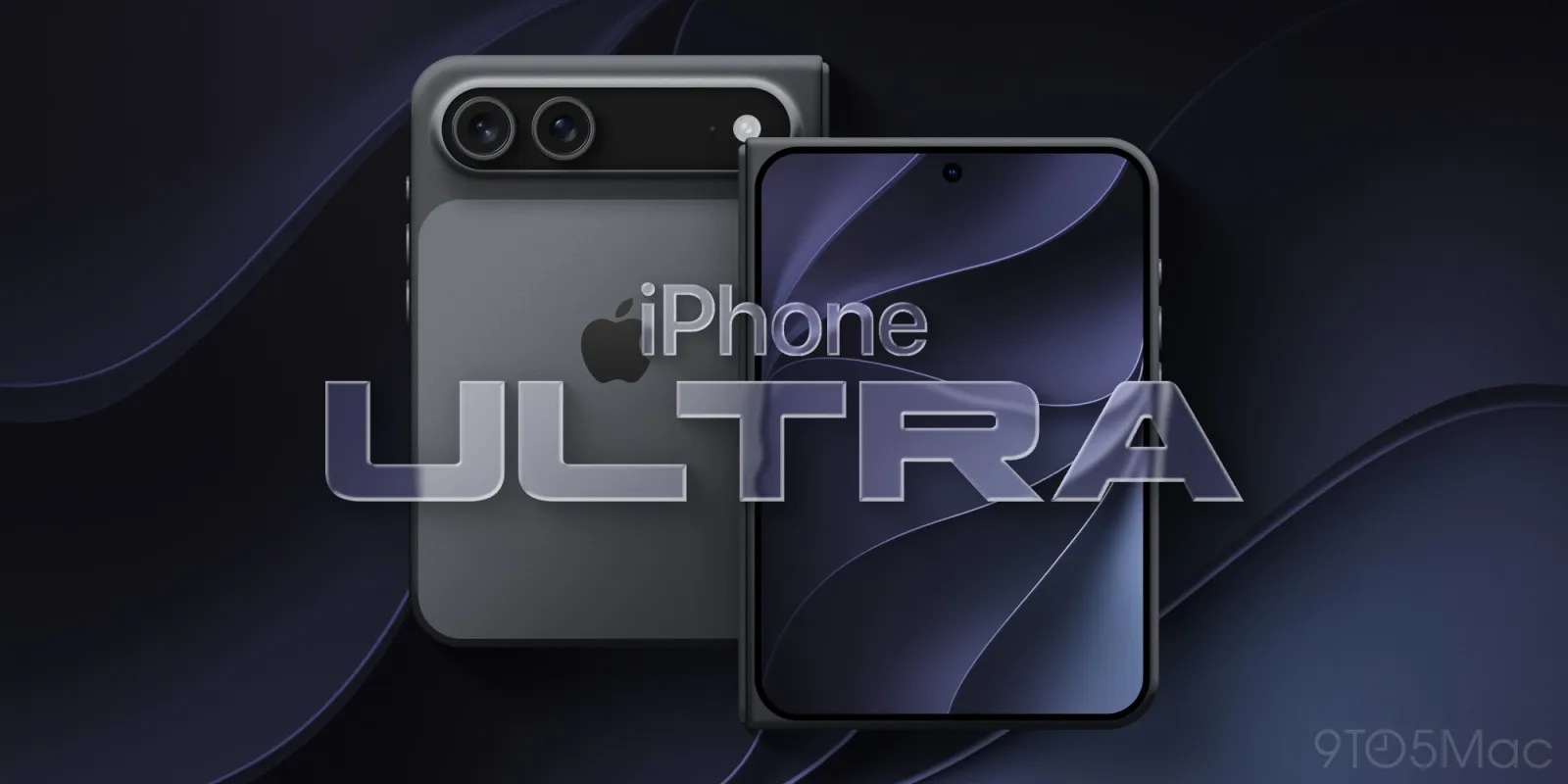
The iPhone Ultra Dilemma: Why Apple’s First Foldable Might Be Worth the Wait
Introduction: The Fold That Never Was
For years, the tech world has held its collective breath for Apple’s entrance into the foldable market. While Samsung, Google, and even Motorola have iterated through multiple generations of foldable devices, Apple has remained conspicuously silent until now. The rumored iPhone Ultra represents not just a new product, but a philosophical shift for a company that has historically waited to perfect rather than pioneer.
As of July 2026, with the expected September keynote just weeks away, we find ourselves in a familiar yet frustrating position: conflicting reports about whether Apple’s first foldable will actually make its release date. This uncertainty isn’t just about one device; it’s a window into the immense complexity of creating a foldable device that meets Apple’s exacting standards.
The Heart of the Matter: Production Hurdles
According to recent reports from DigiTimes, Apple is facing significant production challenges even at this late stage in the development cycle. The crux of the issue appears to be twofold:
1. The Hinge Problem
The folding mechanism is the soul of any foldable device, and it’s reportedly where Apple is encountering its most significant obstacles. Unlike traditional smartphones, a foldable’s hinge must withstand tens of thousands of folds while maintaining structural integrity, seamless screen alignment, and dust resistance all while being nearly invisible to the user.
2. Circuit Board Complexities
The internal architecture required for a foldable device presents unique challenges for printed circuit board (PCB) design. These components must be flexible enough to bend with the device while housing the powerful processors and connectivity modules that Apple users expect.
Foxconn’s Critical Role
The report highlights that Foxconn has been assigned to lead the device from New Product Introduction (NPI) through to mass production. Industry sources suggest that Foxconn might be the only Apple partner with a realistic chance of meeting production targets, a testament to both the complexity of the device and the specialized manufacturing expertise required.
The Release Date Whiplash
What makes this situation particularly intriguing is the rapid oscillation of rumors over the past few months:
- Early Reports: Indicated significant delays due to hinge and circuit board issues
- Mid-July Reports: Insisted the device was on schedule with no delays
- Current Reports: Suggest production hurdles persist
This pattern suggests something more nuanced than simple “it’s delayed” or “it’s on time.” It points to a company in crisis mode, working around the clock to solve complex engineering problems. Apple is likely applying significant pressure to its supply chain to meet the September deadline while simultaneously preparing for the possibility of a delay.
The Competitive Landscape: Samsung’s Shadow
The timing of these reports is particularly interesting given that Samsung’s recent launch of the Galaxy Z Fold8 features a “wider, shorter form, almost the dimensions of a passport.” According to reports, Apple’s foldable will have similar proportions a departure from the more traditional remote-control-like aspect ratio seen in earlier foldable generations.
This convergence in design philosophy signals something important: Apple and Samsung agree on the future form factor of premium foldable devices. The passport shape offers a more natural book-like reading experience and better app compatibility, addressing one of the fundamental criticisms of earlier foldables.
Why This Matters for Apple
The launch of the Z Fold8 may have actually increased pressure on Apple to deliver. Having a competitor set the benchmark for design and functionality while you’re still struggling with production creates significant market dynamics. Apple may be forced to ship the iPhone Ultra on time, even if it means initially limited quantities.
What a Delay Would Mean
If the iPhone Ultra is delayed, it would be a significant deviation from Apple’s typical product launch rhythm. September has been Apple’s iPhone announcement month for over a decade. A delay would represent:
Supply Chain Implications
- Manufacturing strain: Foxconn and other suppliers have likely already invested heavily in production capacity
- Component supply: Display panels, specialized hinges, and flexible batteries are all custom-manufactured for this device
- Holiday season impact: The crucial holiday shopping quarter could be affected
Market Positioning
- Competitive disadvantage: Giving Samsung and others another quarter to capture the premium foldable market
- Consumer perception: Some potential buyers might opt for a competitor’s device rather than wait
- Stock market reaction: Apple’s stock has historically been sensitive to product delays
Strategic Implications
- First-mover disadvantage: Apple is already entering the foldable market later than competitors
- Ecosystem lock-in: The device likely ties into Apple’s broader ecosystem play
- Future product roadmap: Delays could cascade to affect other products in development
Why the Optimism Might Be Justified
Despite the concerning reports, there are several reasons to believe the iPhone Ultra will still make its September release date:
Apple’s Track Record
Apple has faced last-minute production challenges before and typically resolves them. Remember the iPhone X? Or the AirPower, which was actually cancelled after being announced? Apple learns from these experiences.
The “Crisis Mode” Factor
The most challenging problems get the most attention from the most experienced engineers. When a product is this important, Apple throws everything at it.
Limited Initial Availability
Even if the iPhone Ultra is announced in September, availability might be limited. Apple could announce the device but only have limited quantities for the initial launch, with wider availability following later.
What the iPhone Ultra Will Need to Succeed
For the iPhone Ultra to justify its likely premium price tag (rumored to exceed $2,000), it needs to deliver on several fronts:
1. Display Technology
- Seamless crease visibility
- Durability that matches or exceeds traditional smartphones
- Apple’s signature color accuracy and brightness
2. Software Optimization
- Seamless transitions between folded and unfolded states
- App optimization that leverages the larger screen
- Multitasking capabilities that feel intuitive rather than forced
3. Battery and Performance
- All-day battery life despite the larger display
- Performance that matches the iPhone 18 Pro
- Thermal management that handles intensive tasks
4. The “Apple Magic” Factor
- Something that competitors haven’t thought of
- Integration with the broader Apple ecosystem that makes the device indispensable
- A user experience that justifies the premium price
Looking Forward: The September Keynote
The expected September 9 keynote will likely be one of the most consequential Apple events in years. Alongside the iPhone 18 Pro and Pro Max, the iPhone Ultra will likely be the star of the show.
What to Watch For
- How Apple frames the device: Is it a “new category” or simply a new iPhone model?
- The Apple Intelligence connection: How will AI features leverage the foldable form factor?
- The ecosystem play: Will the device work better with other Apple products?
- The pricing strategy: Will the iPhone Ultra be priced like the iPhone Pro Max plus a premium, or will it be a completely new pricing tier?
Conclusion: The Art of the Wait
The iPhone Ultra represents Apple’s most significant hardware risk since the original iPhone. Creating a foldable device that meets Apple’s standards is extraordinarily difficult, and the conflicting reports we’re seeing suggest that Apple is in the final stretch of an incredibly complex engineering challenge.
Whether the device ships on September 18 or experiences a delay, the iPhone Ultra is coming. And when it does, it will likely set a new standard for what a foldable smartphone can be. The question isn’t if Apple will enter the foldable market it’s whether they’ll do it on time.
For those of us watching from the sidelines, the uncertainty is frustrating but also fascinating. We’re witnessing the final stages of a product development process that has likely been years in the making. Whatever happens in September, the iPhone Ultra will be a watershed moment for Apple and the smartphone industry as a whole.
TechTrib.com is a leading technology news platform providing comprehensive coverage and analysis of tech news, cybersecurity, artificial intelligence, and emerging technology. Visit techtrib.com.
Contact Information: Email: [email protected] or for adverts placement [email protected]
About The Author
