

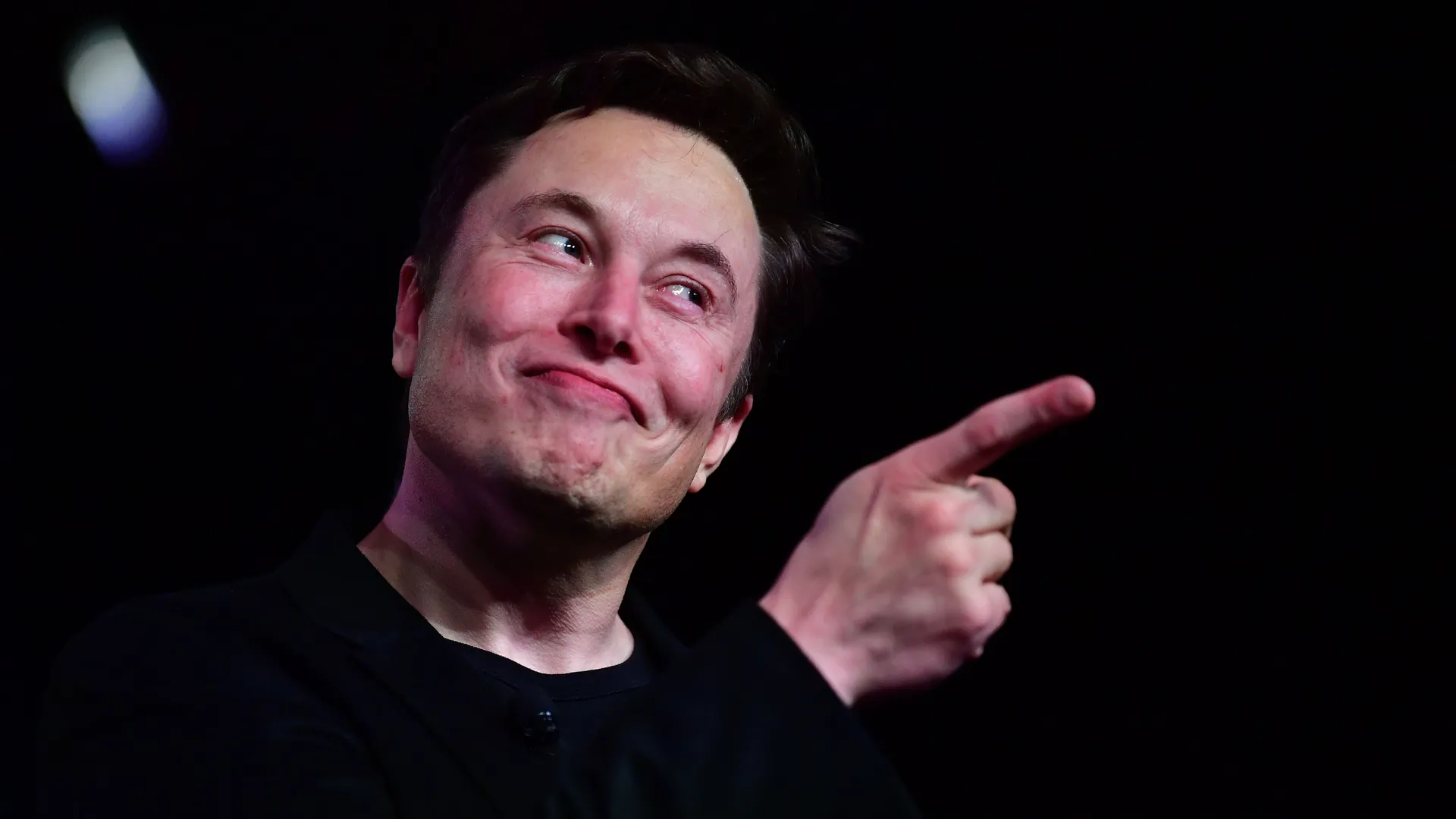
In a groundbreaking development that could reshape the landscape of artificial intelligence infrastructure, Elon Musk’s xAI and SpaceX are advancing plans for orbital data centers designed to leverage space-based computing for next-generation AI applications. This strategic initiative represents a convergence of space technology and artificial intelligence, positioning both companies at the forefront of technological innovation.
The Orbital Data Center Vision
The proposed orbital data center project aims to deploy computing infrastructure in low Earth orbit (LEO), utilizing SpaceX’s Starship and Falcon Heavy launch capabilities to transport and maintain advanced AI processing systems. This ambitious undertaking would leverage the unique advantages of space-based infrastructure, including reduced latency for certain applications, access to unlimited cooling through radiative heat dissipation, and proximity to satellite networks for enhanced connectivity.
xAI’s involvement brings specialized expertise in artificial intelligence model development and optimization, while SpaceX contributes its unparalleled launch capabilities and space infrastructure experience. The merger discussions between these entities suggest a comprehensive strategy to vertically integrate space launch, orbital operations, and AI computing into a unified ecosystem.
FCC Approval and Regulatory Framework
The project has entered preliminary discussions with the Federal Communications Commission (FCC) regarding orbital spectrum allocation and operational licensing. Regulatory approval represents a critical milestone, as the FCC must evaluate potential interference with existing satellite communications systems, particularly SpaceX’s own Starlink constellation. The approval process is expected to involve detailed technical assessments and coordination with international space agencies to ensure compliance with orbital debris mitigation standards and frequency coordination agreements.
Industry observers note that successful FCC approval could establish precedent for future commercial space-based computing ventures, potentially opening new regulatory pathways for orbital infrastructure development.
Industry Impact
Transforming AI Infrastructure Economics
Space-based AI computing could fundamentally alter the economics of large-scale AI model training and inference. Traditional data centers face escalating power consumption challenges, with major AI models requiring gigawatts of electrical capacity. Orbital facilities could mitigate these constraints through passive radiative cooling and potentially access to solar power generation at higher efficiency levels than ground-based systems.
The cost implications are substantial. While launch costs remain significant, SpaceX’s reusable rocket technology has dramatically reduced per-kilogram orbital delivery expenses. Industry analysts project that within five to ten years, orbital data center economics could become competitive with terrestrial facilities for specific high-performance computing applications.
Competitive Landscape Implications
This initiative positions Musk’s ventures ahead of competitors in the AI infrastructure space. Major cloud providers including Amazon Web Services, Microsoft Azure, and Google Cloud have invested heavily in terrestrial data center expansion. However, the orbital approach offers differentiation through unique technical capabilities and potential cost advantages at scale. Other technology companies, including Blue Origin and emerging space technology firms, are likely to accelerate their own space-based computing initiatives in response.
Expert Analysis
Technical Feasibility Assessment
Space systems engineers emphasize that orbital data centers present significant technical challenges. Radiation hardening of computing equipment, thermal management in the vacuum environment, and maintaining operational reliability without routine maintenance access require substantial engineering innovation. However, experts note that these challenges are surmountable given adequate funding and development timelines.
Dr. James Chen, aerospace systems analyst at the Technology Innovation Institute, states: “The technical feasibility is sound. The real challenges are operational complexity and cost optimization. SpaceX’s experience with orbital refueling and long-duration missions provides a strong foundation for addressing these obstacles.”
Economic Viability Considerations
Financial analysts present mixed assessments regarding long-term economic viability. While launch costs have decreased substantially, orbital operations require continuous maintenance, component replacement, and eventual deorbiting. The business case depends on achieving sufficient computational density and utilization rates to justify these operational expenses.
However, proponents argue that as AI model sizes continue expanding exponentially, the marginal cost advantages of space-based infrastructure could become compelling. Additionally, applications requiring ultra-low latency for distributed AI inference across global satellite networks could command premium pricing that justifies orbital deployment.
Market Response
Investor and Industry Reaction
Technology investors have responded positively to announcements regarding the orbital data center initiative. Venture capital firms specializing in space technology report increased interest in orbital infrastructure investments. The convergence of AI and space technology is attracting capital from both traditional aerospace investors and technology-focused venture funds.
Strategic Implications for the Broader Ecosystem
The SpaceX-xAI merger discussions signal Musk’s commitment to vertical integration across space launch, orbital operations, and artificial intelligence. This strategy mirrors successful models in other technology sectors where companies control multiple layers of their value chain. If executed successfully, this integrated approach could establish significant competitive advantages and create barriers to entry for potential competitors.
The initiative also highlights the increasing importance of infrastructure as a competitive differentiator in the AI industry. As AI capabilities become more commoditized, control over specialized computing infrastructure could become a primary source of competitive advantage.
Conclusion
Elon Musk’s advancement of orbital data center plans represents a bold bet on the convergence of space technology and artificial intelligence. While significant technical and regulatory challenges remain, the initiative demonstrates how emerging technologies can create entirely new categories of infrastructure. Success would not only benefit xAI and SpaceX but could catalyze a broader transformation in how the technology industry approaches large-scale computing infrastructure.
For quality tech news, professional analysis, insights, and the latest updates on technology, follow TechTrib.com. Stay connected and join our fast-growing community.
TechTrib.com is a leading technology news platform providing comprehensive coverage and analysis of tech news, cybersecurity, artificial intelligence, and emerging technology. Visit techtrib.com.
Contact Information: Email: news@techtrib.com or for adverts placement adverts@techtrib.com
About The Author
