

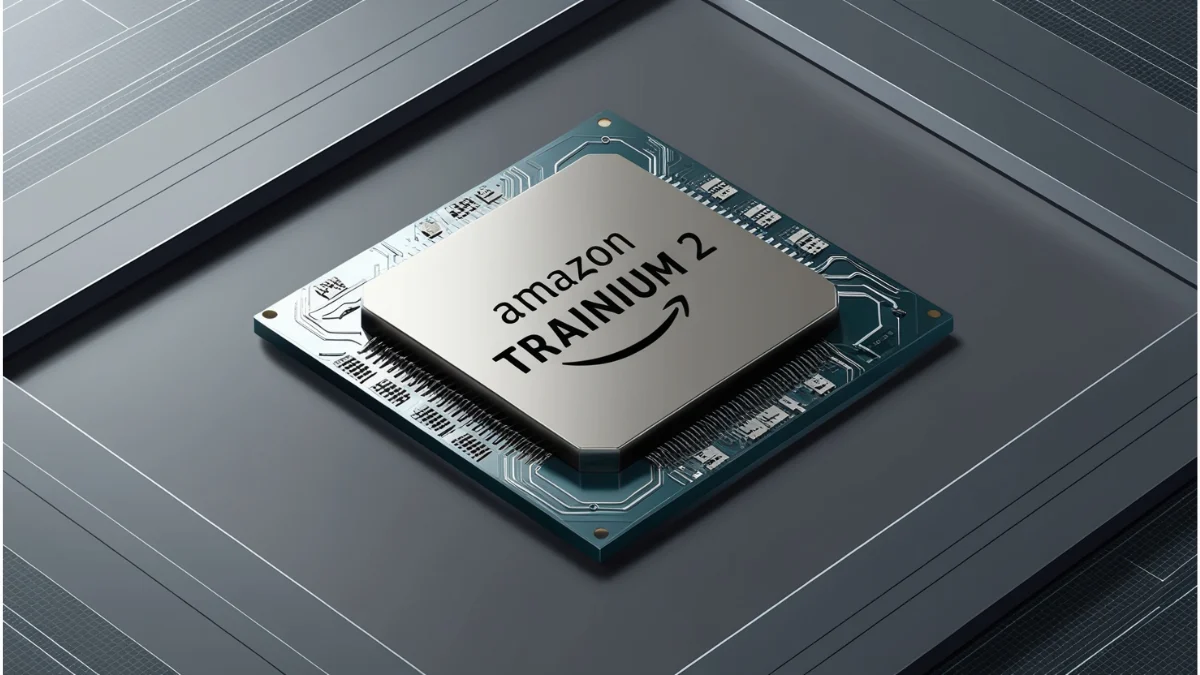
In a significant development that could reshape the semiconductor industry, Amazon has announced the launch of advanced custom AI chips designed to challenge Nvidia’s dominant position in the artificial intelligence computing market. This strategic move marks a pivotal moment in the ongoing competition for AI infrastructure supremacy, as major cloud providers increasingly seek to reduce their dependence on third-party chip manufacturers.
The Rise of Amazon’s Custom AI Chip Initiative
Amazon Web Services (AWS) has been quietly developing proprietary AI chips for several years, but today’s announcement represents a major escalation in the company’s semiconductor ambitions. The new chips, engineered specifically for machine learning workloads, promise to deliver superior performance-per-dollar compared to existing solutions while offering AWS customers greater flexibility and control over their AI infrastructure investments.
The development of these custom chips reflects a broader industry trend where hyperscale cloud providers are investing heavily in semiconductor design and manufacturing. By creating chips tailored to their specific workload requirements, companies like Amazon can optimize performance, reduce costs, and differentiate their cloud services from competitors.
Technical Specifications and Capabilities
Advanced Architecture and Performance
Amazon’s custom AI chips feature cutting-edge architecture optimized for deep learning inference and training tasks. The chips incorporate advanced manufacturing processes that enable higher computational density and improved energy efficiency compared to general-purpose processors. This specialized design allows AWS to deliver faster AI model execution while consuming less power, a critical advantage in large-scale data center operations.
Integration with AWS Services
A key differentiator for Amazon’s chips is their seamless integration with the AWS ecosystem. These processors are designed to work optimally with AWS’s machine learning services, including SageMaker, and can be deployed across various instance types to provide customers with flexible deployment options. This vertical integration enables AWS to offer a more cohesive and efficient AI computing platform.
Market Implications and Competitive Landscape
Challenging Nvidia’s Dominance
Nvidia has maintained an iron grip on the AI accelerator market, with its GPUs becoming the de facto standard for machine learning workloads. However, Amazon’s entry into custom chip manufacturing represents a credible threat to this dominance. By offering competitive performance at potentially lower price points, AWS could capture significant market share from Nvidia, particularly among enterprises already committed to the AWS ecosystem.
The competitive pressure is intensifying as other cloud providers, including Microsoft and Google, have also developed custom chips. This fragmentation of the AI chip market could lead to more competitive pricing and innovation, ultimately benefiting customers through improved performance and reduced costs.
Cost Advantages for AWS Customers
One of the most compelling advantages of Amazon’s custom chips is the potential for cost reduction. By manufacturing chips in-house and optimizing them for specific workloads, AWS can offer more competitive pricing compared to solutions built on third-party accelerators. This cost advantage could be particularly attractive to price-sensitive enterprises and startups looking to maximize their AI infrastructure investments.
Industry Impact and Broader Implications
Reshaping the Semiconductor Landscape
Amazon’s announcement signals a fundamental shift in how the technology industry approaches semiconductor design and manufacturing. Rather than relying solely on traditional chip manufacturers, hyperscale companies are increasingly taking control of their own chip destiny. This trend could accelerate innovation in specialized computing and lead to more efficient, purpose-built solutions for various workloads.
Supply Chain Considerations
The development of custom chips also addresses supply chain vulnerabilities that became apparent during recent semiconductor shortages. By diversifying their chip sources and developing proprietary solutions, cloud providers can reduce their dependence on external suppliers and ensure more reliable access to critical computing resources. This strategic independence is particularly important given the geopolitical tensions surrounding semiconductor manufacturing.
Implications for the Broader Tech Ecosystem
Amazon’s move could inspire other technology companies to invest in custom chip development. This could lead to a more fragmented but potentially more innovative semiconductor landscape, where specialized chips optimized for specific applications become increasingly common. However, it may also create challenges for software developers who need to optimize their applications for multiple chip architectures.
Future Outlook and Strategic Considerations
Continued Innovation and Competition
As Amazon, Google, Microsoft, and other tech giants continue to invest in custom chip development, we can expect accelerated innovation in AI computing. This competition will likely drive improvements in performance, efficiency, and cost-effectiveness, benefiting the entire industry. However, it may also lead to increased fragmentation and complexity in the AI infrastructure landscape.
Nvidia’s Response and Market Evolution
While Amazon’s announcement poses a challenge to Nvidia, the GPU giant is unlikely to cede market share without a fight. Nvidia has significant advantages in software ecosystem maturity, developer expertise, and established relationships with enterprises. The company is also investing heavily in next-generation architectures and expanding its product portfolio to address diverse customer needs.
Long-term Industry Trends
Looking ahead, the semiconductor industry is likely to see continued consolidation around specialized chips designed for specific applications. The era of general-purpose processors dominating all computing tasks is gradually giving way to a more nuanced landscape where purpose-built solutions deliver superior performance and efficiency. Amazon’s custom chips represent an important milestone in this evolution.
Conclusion
Amazon’s announcement of advanced custom AI chips marks a significant moment in the technology industry’s ongoing evolution. By developing chips specifically optimized for AI workloads, AWS is positioning itself to challenge Nvidia’s market dominance while offering customers more competitive pricing and better integration with AWS services. This move reflects broader industry trends toward vertical integration and custom chip development among hyperscale technology companies.
As the competition for AI infrastructure supremacy intensifies, customers stand to benefit from improved performance, lower costs, and more innovative solutions. However, the increasing fragmentation of the chip market also presents challenges that the industry will need to address. Ultimately, Amazon’s entry into custom chip manufacturing represents a pivotal shift in the semiconductor landscape, one that will shape the future of AI computing for years to come.
For quality tech news, professional analysis, insights, and the latest updates on technology, follow TechTrib.com. Stay connected and join our fast-growing community.
TechTrib.com is a leading technology news platform providing comprehensive coverage and analysis of tech news, cybersecurity, artificial intelligence, and emerging technology. Visit techtrib.com.
Contact Information: Email: news@techtrib.com or for adverts placement adverts@techtrib.com
About The Author
