

Everything new coming to Meta’s AI agent Muse
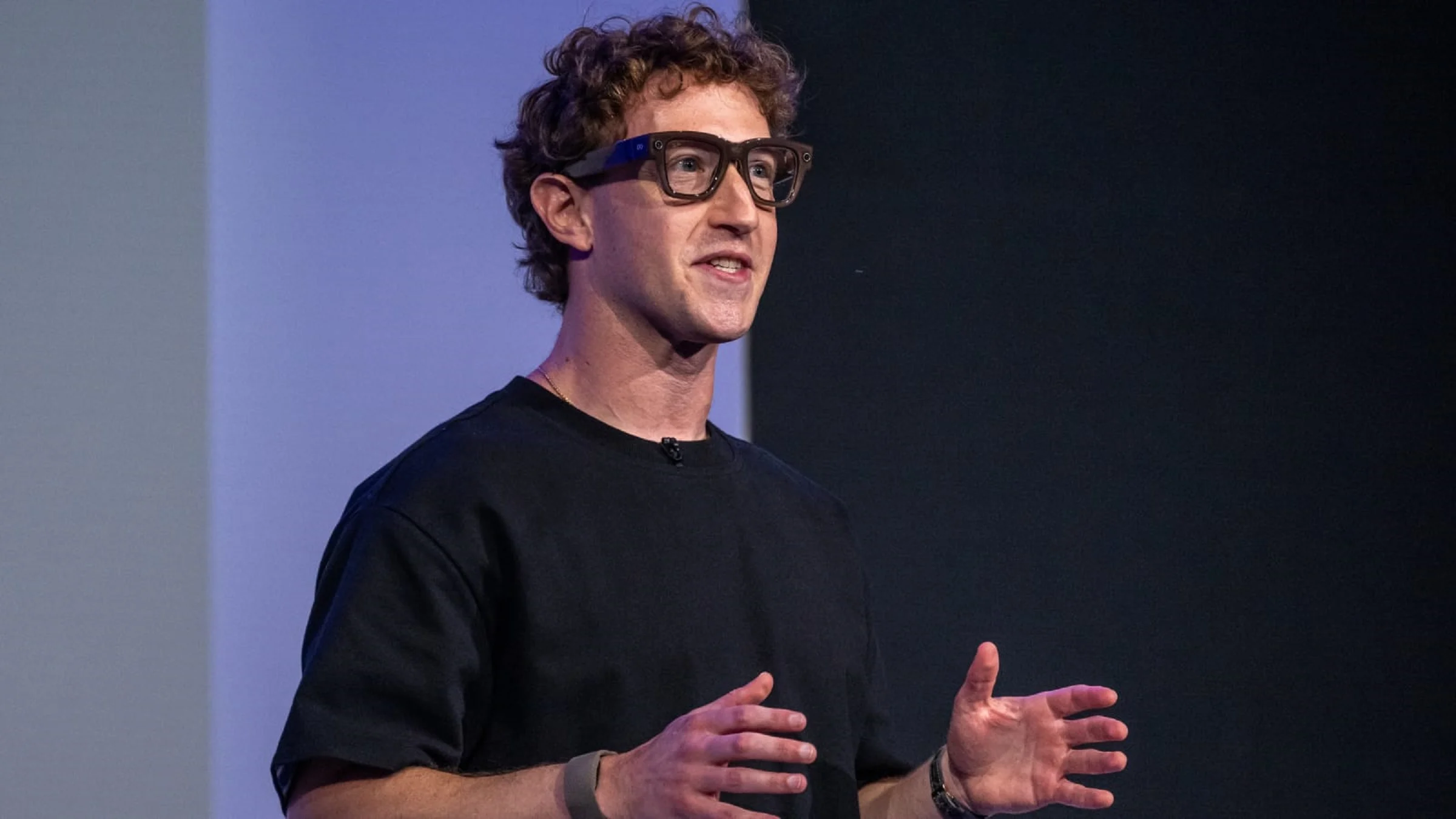
Meta Doubles Down on Muse: Everything New Coming to Its Personal AI Agent
Meta’s annual Connect event made one thing abundantly clear: Muse is no longer just an AI assistant. It’s the centerpiece of Zuckerberg’s vision for “personal superintelligence.”
At the Meta Connect 2026 keynote on September 23, CEO Mark Zuckerberg kicked off the event with a bold declaration: “The centerpiece of our vision for what we’re building is Muse.” Since its launch just weeks earlier in early September, Meta has been rapidly expanding the capabilities of its personal AI agent, and Wednesday’s announcements revealed a sweeping roadmap that positions Muse as a ubiquitous presence across devices, apps, and daily life.
Here’s everything new coming to Meta’s AI agent Muse.
A Face and Voice for Your Agent: Muse Realtime Avatar
One of the more striking announcements was that Muse users will soon be able to create a distinct digital avatar for their agent and have real time video conversations with it. Powered by a new model called Muse Realtime Avatar, this feature transforms Meta’s previously faceless AI software into something with a face, body, and voice.
The demo on stage hinted at the Metaverse ambitions that Meta has long championed, but with a practical twist: users can have live conversations with this avatar, delegate tasks, and ask questions in a way that feels significantly more personable than text based interactions.
Wearable Intelligence: Muse Comes to Meta Glasses
Zuckerberg’s vision extends beyond the phone. “We’re making personal superintelligence wearable,” he said during the keynote, adding that he believes all glasses will eventually become AI glasses.
Muse will be integrated with Meta’s smart glasses line, activating via a wake word. Users will be able to guide workouts, log meals, book appointments, and even purchase products they see, all through voice commands to their glasses. Meta also introduced Muse Voice, which lets users customize the assistant’s voice.
Muse Takes Over Your Mac
Meta is bringing Muse’s computer use capabilities to Mac. With user permission, Muse can operate any application in the background, even when the user steps away from the computer.
“You can have it help you run your small business, or just get work done for you,” said Meta’s Chief AI Officer Alexandr Wang during the keynote. “You can walk away from your computer and it keeps working for you on all the jobs you lined up.”
Muse Gets Its Own Email Address
Since Muse will be working continuously in the background, Meta is developing a dedicated email address for the agent. Users will be able to add Muse to email threads or forward emails for the agent to handle on their behalf. The feature is expected to roll out “soon.”
Shopping Partnerships and the Connector Platform
Meta has locked in an impressive roster of retail and service partners to make Muse a practical shopping companion. The company announced new integrations with Best Buy, Gap, Walmart, Sephora, and others, alongside existing partnerships with Shopify and Stripe.
Muse can access the entire Shopify product catalog agentically and complete purchases using Link (built by Stripe) and Shop Pay. PayPal support has also been added. For travel, Expedia is joining, and Instacart is coming soon for grocery shopping.
Critically, Meta is launching the Connector Platform, enabling developers to build their own Muse integrations. Early partners include Box, GitHub, and Granola.
A New Handheld Device: Muse Charm
Meta closed the keynote with a surprise hardware announcement: Muse Charm, a small, always on handheld device designed for people who don’t wear smart glasses. Zuckerberg described it as “the fastest way to talk to Muse outside of Meta’s glasses.”
The device is scheduled to ship by the holidays in December, though Meta did not announce pricing. This enters a challenging category where standalone AI gadgets like Humane’s AI Pin and the Rabbit R1 have struggled to gain traction.
The Underlying Technology: Muse Spark and Secure VM
All of these capabilities are powered by Muse Spark, Meta’s most capable AI model to date, built specifically for real world agentic work. Muse runs on a dedicated Muse Secure VM, a virtual machine that houses both the agent and user data, featuring a separate Sentinel agent that monitors and approves internet access.
Meta emphasizes that users retain full control: they choose which apps Muse connects to, what permissions it receives, and can review a complete audit trail of everything the agent has done or plans to do. Conversations and VM data are not shared with Meta’s advertising systems.
The Bottom Line
Meta’s Connect 2026 keynote revealed a company betting heavily on the premise that AI agents will become the primary interface between people and technology. Zuckerberg’s stated expectation is that Muse will grow into a “personal superintelligence” used by billions.
The business model is equally clear: Muse is free with usage limits, but Zuckerberg noted that “over time we will profit by taking a small fee from transactions.” With major retail partners already integrated, Meta is positioning Muse not just as a productivity tool, but as a commerce engine.
Whether users will embrace an AI agent embedded in their glasses, their Mac, their email, and a dedicated handheld device remains to be seen. But Meta is making it clear that Muse isn’t just another chatbot. It’s the company’s next major platform bet.
TechTrib.com is a leading technology news platform providing comprehensive coverage and analysis of tech news, cybersecurity, artificial intelligence, and emerging technology. Visit techtrib.com.
Contact Information: Email: news@techtrib.com or for adverts placement adverts@techtrib.com
Related Posts
- Anthropic says its biology lab has already found something big
- Meta is trying VR glasses (again), this time with more IMAX
- Discord’s age verification era is upon us, despite community backlash
- Elon Musk’s SpaceX Acquires Cursor as OpenAI Plans to Cut Model Access
- Meta admits Muse’s likeness to OpenClaw isn’t a coincidence
