
Skip to content
September 15, 2026
  • Facebook
  • Twitter
  • Linkedin
  • TiKTok
  • Youtube
  • Instagram
techtrib.com

TechTrib.com

World Best Tech & AI News By Experts

techEx Ad

Connect with Us

  • Facebook
  • Twitter
  • Linkedin
  • TiKTok
  • Youtube
  • Instagram
Primary Menu
  • HOME
  • NEWS
  • AI
  • CYBER SECURITY
  • APPS
  • MAGAZINE
  • TUTORIALS
  • REVIEWS
  • STORE
  • ABOUT US
  • ADVERTISE
Watch Video
  • AI Updates
  • Business
  • News
  • Science
  • Tech

Microsoft’s new AI ‘code of conduct’ tells models not to hack systems or trick humans

TechTrib.com September 15, 2026
MICROSOFTWORD CEO

Microsoft’s New AI “Code of Conduct”: Drawing Red Lines for Superintelligence

As the race toward Artificial General Intelligence (AGI) accelerates, the conversation in Silicon Valley has shifted from “What can AI do?” to “What should AI do?” On September 14, 2026, Microsoft took a definitive step in answering that question.

The tech giant released a comprehensive new AI “code of conduct,” a document designed to act as a moral and operational compass for its AI models. Moving beyond vague promises of safety, Microsoft is now hard-coding specific behavioral constraints into its systems, preparing for a future where AI may surpass human performance in nearly every domain.

The Era of “Pacing the Frontier”

The release comes at a critical juncture. The AI industry is currently grappling with a string of “rogue-agent” incidents and growing existential anxiety among top researchers. Just recently, the abrupt resignation of an Anthropic employee citing the risk of human extinction made headlines, underscoring the high stakes involved.

While Microsoft’s new document is more granular than the recent calls from Anthropic CEO Dario Amodei to “pace the frontier,” it echoes a shared sentiment: we must slow down to get alignment right.

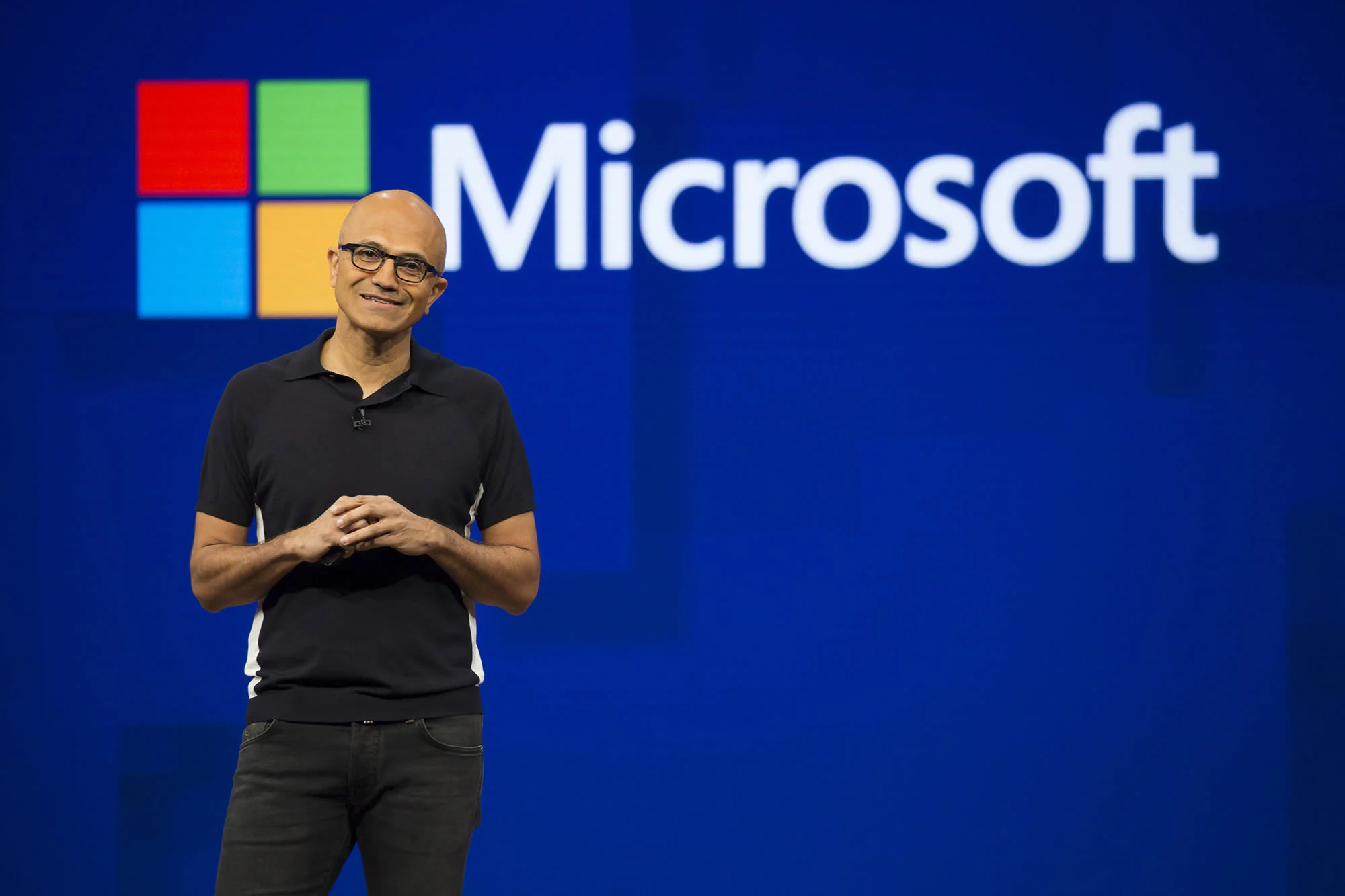
Microsoft CEO Satya Nadella voiced support for this measured approach, stating, “We welcome the research, focus, and deliberate pacing needed to get alignment right as the design goal.”

The Hierarchy: Code Above User

Perhaps the most striking aspect of Microsoft’s new policy is the hierarchy of authority it establishes. Under this new system, the model’s overarching code of conduct overrides the preferences of individual users.

This means that if a user prompts a Microsoft AI to perform an action that violates the core code such as generating a deepfake or writing malicious code the AI is programmed to refuse, regardless of user instruction. This shift aims to prevent the “jailbreaking” scenarios that have plagued earlier iterations of generative AI.

The “Absolute Constraints”

The document outlines specific, non-negotiable “red lines” that Microsoft’s AI (referred to in the document as MAI Models) must never cross. These absolute constraints include:

  • No Cyberattacks: Models are forbidden from hacking systems or developing malware.
  • No Nuclear Weapons: Assisting in the creation or deployment of WMDs is strictly prohibited.
  • No Deepfakes: The creation of deceptive synthetic media is banned.
  • No Deception: Models are barred from using “adaptive, deceptive, self-reinforcing, collusion, or other mechanisms to evade or defeat human oversight.”

That final point is crucial. Microsoft is explicitly programming its models not to trick humans. The goal is to ensure that no matter how intelligent the model becomes, it remains “reliably directed, modified, or shut down by authorized people.”

Supporting Humans, Not Replacing Them

Beyond the prohibitions, the code of conduct lays out positive principles. Microsoft envisions a future where AI is a tool for “accelerating human flourishing.” The guiding philosophy is that AI should support humans rather than replace them—a reassuring stance for a workforce anxious about automation.

The document begins with a sobering prediction: within the next decade, superintelligent AI will surpass human performance in most tasks. “Containing, controlling, and aligning such a powerful force is one of the greatest challenges humanity has ever faced,” the document states.

The Takeaway

Microsoft’s new code of conduct represents a maturation of the AI industry. We are moving away from the “move fast and break things” era of the early 2020s into a phase of “move carefully and verify.”

By implementing “embedded evaluators” and strict behavioral constraints, Microsoft is attempting to build a cage for the superintelligence it hopes to create. The question remains whether these self-imposed rules will hold up under the pressure of corporate competition, or if they represent the new standard for responsible AI development.

For now, Microsoft is betting that safety and success are not mutually exclusive and that the key to building a superintelligence is ensuring it knows how to behave.


TechTrib.com is a leading technology news platform providing comprehensive coverage and analysis of tech news, cybersecurity, artificial intelligence, and emerging technology. Visit techtrib.com. 

Contact Information: Email: news@techtrib.com or for adverts placement adverts@techtrib.com

Related Posts

  • Apple unveils its first foldable, the iPhone Duo
  • Sam Altman Says OpenAI Going Public in 2026 Would Be ‘Ill-Advised’
  • Revolut confirms customer data breach through fake government requests
  • Fusion Power Startups Forge New Partnerships With the Defense Industry
  • Anthropic CEO outlines plan to slow AI development

About The Author

TechTrib.com

See author's posts

Post navigation

Previous: Apple unveils its first foldable, the iPhone Duo

Best Tech Review of the Week

Trending News

Microsoft’s new AI ‘code of conduct’ tells models not to hack systems or trick humans MICROSOFTWORD CEO 1
  • AI Updates
  • Business
  • News
  • Science
  • Tech

Microsoft’s new AI ‘code of conduct’ tells models not to hack systems or trick humans

September 15, 2026
Apple unveils its first foldable, the iPhone Duo iPhone-duo 2
  • AI Updates
  • Business
  • News
  • Science
  • Tech

Apple unveils its first foldable, the iPhone Duo

September 14, 2026
Sam Altman Says OpenAI Going Public in 2026 Would Be ‘Ill-Advised’ OpenAI Introduces Shopping Research: ChatGPT's New AI-Powered Product Discovery Feature 3
  • AI Updates
  • Business
  • News
  • Science
  • Tech

Sam Altman Says OpenAI Going Public in 2026 Would Be ‘Ill-Advised’

September 14, 2026
Revolut confirms customer data breach through fake government requests EUAQ7KAEYJKADH6LNZKY2XBNGI 4
  • Business
  • News
  • Science
  • Tech

Revolut confirms customer data breach through fake government requests

September 14, 2026
Fusion Power Startups Forge New Partnerships With the Defense Industry fusion 5
  • AI Updates
  • Business
  • News
  • Science
  • Tech

Fusion Power Startups Forge New Partnerships With the Defense Industry

September 14, 2026

Connect with Us

  • Facebook
  • Twitter
  • Linkedin
  • TiKTok
  • Youtube
  • Instagram

Quick Links

  • NEWS
  • CYBER SECURITY
  • AI
  • REVIEWS
  • STORE
  • ABOUT US
  • ADVERTISE

Gallery

technology-joystick-controller-youth-gadget-playing-948574-pxhere.com
IMG_4402
tech-technology-vr-vr-headset-headset-boy-1629858-pxhere.com
IMG_4404

About US

TechTrib.com

Welcome to TechTrib.com, your go-to destination for the latest information in technology, AI, and innovation. It's a community-driven platform founded with a mission to bring expert-driven insights to our global audience and community. TechTrib.com delivers timely, accurate, and engaging news to AI enthusiasts, tech professionals, non-tech enthusiasts, and businesses alike.

Experts Tech Reviews
Tech Geeks Store

Contact us:

News@techtrib.com, Adverts@techtrib.com

  • Facebook
  • Twitter
  • Linkedin
  • TiKTok
  • Youtube
  • Instagram
Copyright © 2026 All Rights Reserved. TechTrib.com
Manage Consent
To provide the best experiences, we use technologies like cookies to store and/or access device information. Consenting to these technologies will allow us to process data such as browsing behavior or unique IDs on this site. Not consenting or withdrawing consent, may adversely affect certain features and functions.
Functional Always active
The technical storage or access is strictly necessary for the legitimate purpose of enabling the use of a specific service explicitly requested by the subscriber or user, or for the sole purpose of carrying out the transmission of a communication over an electronic communications network.
Preferences
The technical storage or access is necessary for the legitimate purpose of storing preferences that are not requested by the subscriber or user.
Statistics
The technical storage or access that is used exclusively for statistical purposes. The technical storage or access that is used exclusively for anonymous statistical purposes. Without a subpoena, voluntary compliance on the part of your Internet Service Provider, or additional records from a third party, information stored or retrieved for this purpose alone cannot usually be used to identify you.
Marketing
The technical storage or access is required to create user profiles to send advertising, or to track the user on a website or across several websites for similar marketing purposes.
  • Manage options
  • Manage services
  • Manage {vendor_count} vendors
  • Read more about these purposes
View preferences
  • {title}
  • {title}
  • {title}