

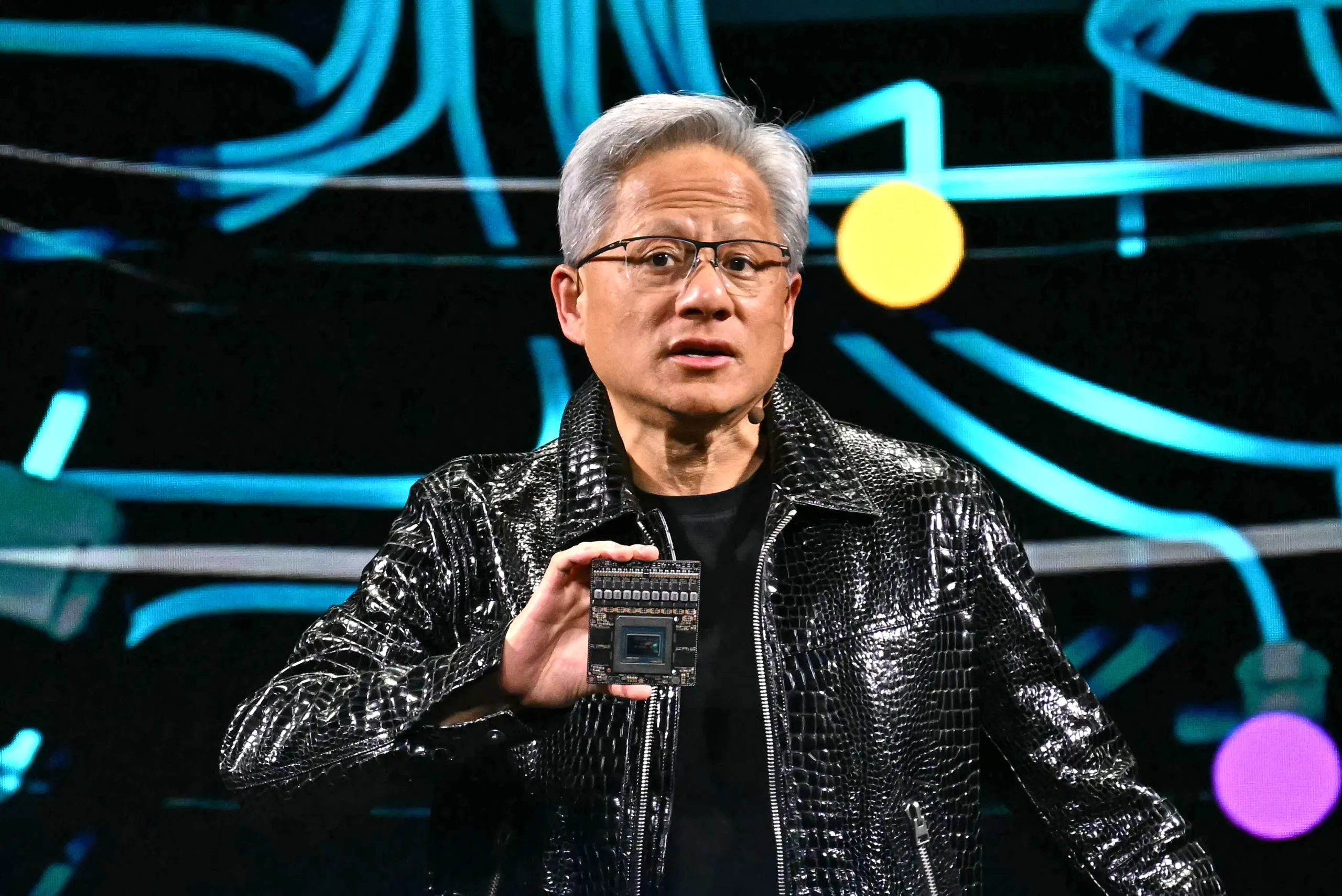
Nvidia’s $12.9 Billion Bid for Hugging Face: A Strategic Masterstroke to Protect Its AI Empire
In a move that could reshape the AI industry’s power dynamics, Nvidia has agreed to acquire Hugging Face for a staggering $12.9 billion, according to a report from The Information. This acquisition, if finalized, represents a monumental shift for the open source AI community and a brilliant strategic play by the chipmaking giant to safeguard its dominant position in the AI hardware market.
The Deal: A Massive Premium for Open Source’s Crown Jewel
The reported price of $12.9 billion marks an astronomical increase from Hugging Face’s last known valuation of $4.5 billion during its Series D funding round in 2023, where it raised $235 million from investors including Salesforce Ventures, Alphabet’s GV, IBM Ventures, and crucially, Nvidia itself. This valuation jump reflects the immense strategic value Hugging Face now holds in the rapidly evolving AI landscape.
However, it is worth noting that reports indicate the talks have not yet produced a signed agreement and could still atomize. Business Insider, which first broke the news of Hugging Face fielding takeover interest, reported that the deal is not yet fully sealed. TechCrunch’s attempts to reach both Nvidia and Hugging Face for comment were met with silence, though Nvidia’s lack of denial is particularly telling, as the company has historically moved quickly to address reports it considers inaccurate.
Why Nvidia Wants Hugging Face: Protecting the Golden Goose
At first glance, a chipmaker buying a platform for sharing open source AI models might seem unusual. However, this acquisition is a calculated move driven by a single, overriding concern: protecting Nvidia’s dominance in AI chips.
The Threat from Closed AI Labs
Nvidia’s AI chips, particularly its GPUs, are the gold standard for training and running large language models. However, the company faces an existential threat from its own biggest customers. OpenAI, Google, Amazon, and Anthropic are all actively developing their own AI chips to reduce their reliance on Nvidia’s expensive hardware. If these closed AI labs succeed, Nvidia’s market share and pricing power could erode significantly.
The Open Source Alternative
A thriving ecosystem of open source AI models provides a powerful counterbalance to these closed labs. Open source models give developers and enterprises alternatives that are not tied to a single cloud provider or chip architecture. By fostering a robust open source ecosystem, Nvidia ensures that there remains a large and diverse market of customers who are dependent on its hardware, regardless of what the closed labs do.
This is not a new strategy for Nvidia. The company has already poured tens of billions of dollars into building its own open source AI models. Acquiring Hugging Face, the epicenter of the open source AI movement, is a direct escalation of this strategy. It gives Nvidia a strong foothold in the world of open source AI, just as open source developers are doing their level best to catch up to closed systems.
A Comeback in Cloud Computing
The acquisition also offers Nvidia a strategic re-entry into the cloud computing market. The company reportedly scaled back its own cloud business, called DGX Cloud, about a year ago. However, owning Hugging Face could provide a path back in.
Hugging Face already helps developers run their AI models using rented computing power. By integrating this with its own infrastructure, Nvidia could effectively create a new cloud service without starting from scratch.
There is also a financial safety net at play. Nvidia has promised to help cover the cost of tens of billions of dollars in cloud computing deals for its customers. If those customers end up not using all the computing power they signed up for, Nvidia could be left holding the bag. Owning Hugging Face would give Nvidia a ready-made channel to sell that unused capacity to Hugging Face’s vast customer base.
The Political Context: The Battle Over Open Source AI
The acquisition also cannot be understood without considering the political context. For months, Washington officials have reportedly weighed restrictions on open-weight AI models, driven by concerns that Chinese labs like Moonshot AI were releasing systems that matched leading U.S. models on benchmarks while costing significantly less to run.
Critics of closed labs, like White House advisor David Sacks, have suggested that these fears were being fanned by the “duopoly” of Anthropic and OpenAI. In this heated debate, Hugging Face CEO Clem Delangue has positioned himself and his company as vocal advocates for open source AI, aligning closely with Nvidia.
In a recent appearance on CBS’s “Face the Nation,” Delangue pointed to a letter signed by Nvidia CEO Jensen Huang and 24 other companies, including Hugging Face, urging the U.S. government to support open models rather than restrict them. He also warned that China is “clearly dominating” open source AI. This alignment of interests between Nvidia and Hugging Face makes the acquisition seem almost inevitable in retrospect.
Why Hugging Face Would Say Yes
Hugging Face has previously resisted Nvidia’s advances. The company turned down a $500 million investment offer from Nvidia late last year that would have valued it at $7 billion, reportedly because it didn’t want a dominant investor that could sway its decisions.
So why would it agree to a full acquisition now?
- The Price is Right: A $13 billion valuation is a massive premium for a company reportedly generating about $150 million a year in revenue. While Hugging Face is “close to profitability,” according to Delangue, such a massive multiple is exceptionally hard to resist.
- Buyout vs. Investment: A buyout is different from taking on one giant backer. Accepting a single dominant investor often means ceding control while being pressured to continue growing. A full acquisition provides a clearer exit and potentially more independence for Hugging Face’s operations within Nvidia.
- Consolidation Pressure: The AI infrastructure sector is consolidating rapidly. The recent acquisition of OpenRouter by Stripe for over $7 billion shows that major players are snapping up key assets. Hugging Face may have felt that its independence was becoming increasingly untenable in this new landscape.
- Access to Deep Pockets: As a subsidiary of Nvidia, Hugging Face would gain access to significantly deeper pockets, allowing it to compete and innovate more aggressively.
What This Means for the AI Ecosystem
If the acquisition goes through, it will be a watershed moment for the AI industry. For open source developers, it raises questions about the future independence of the platform. Will Hugging Face remain a neutral hub, or will it become a vehicle for Nvidia’s commercial interests? For competitors, it strengthens Nvidia’s position at a critical time. And for the broader AI market, it underscores the central role that hardware and infrastructure play in shaping the AI landscape.
The reported acquisition of Hugging Face by Nvidia is more than just a major tech deal. It is a strategic maneuver that could determine the future of the AI industry. By securing the heart of the open source AI movement, Nvidia is not just buying a company; it is buying insurance against its biggest threats and solidifying its position as the indispensable foundation of the AI revolution. The coming weeks will be crucial to see if the deal is finalized, but its implications are already being felt across the industry.
TechTrib.com is a leading technology news platform providing comprehensive coverage and analysis of tech news, cybersecurity, artificial intelligence, and emerging technology. Visit techtrib.com.
Contact Information: Email: [email protected] or for adverts placement [email protected]
About The Author
