

Beyond the Chip Why Nvidias AI Advantage Is Moving Beyond the GPU
The AI world is buzzing with a shift that could reshape the industry’s landscape. For years, the dominant narrative about Nvidia was straightforward: the company built the best GPUs, rode the AI boom to a 10x market cap increase, and became the indispensable hardware provider for the entire sector. But that story is changing. While the TechCrunch article we are analyzing touched on this evolution, the scale and implications of Nvidias strategic pivot deserve a much deeper dive. On the surface, it looks like a chip company facing competition. In reality, it is a sophisticated move into systems orchestration, a play for data center efficiency, and a redefinition of what gives Nvidia its competitive edge.
The Price of Complexity
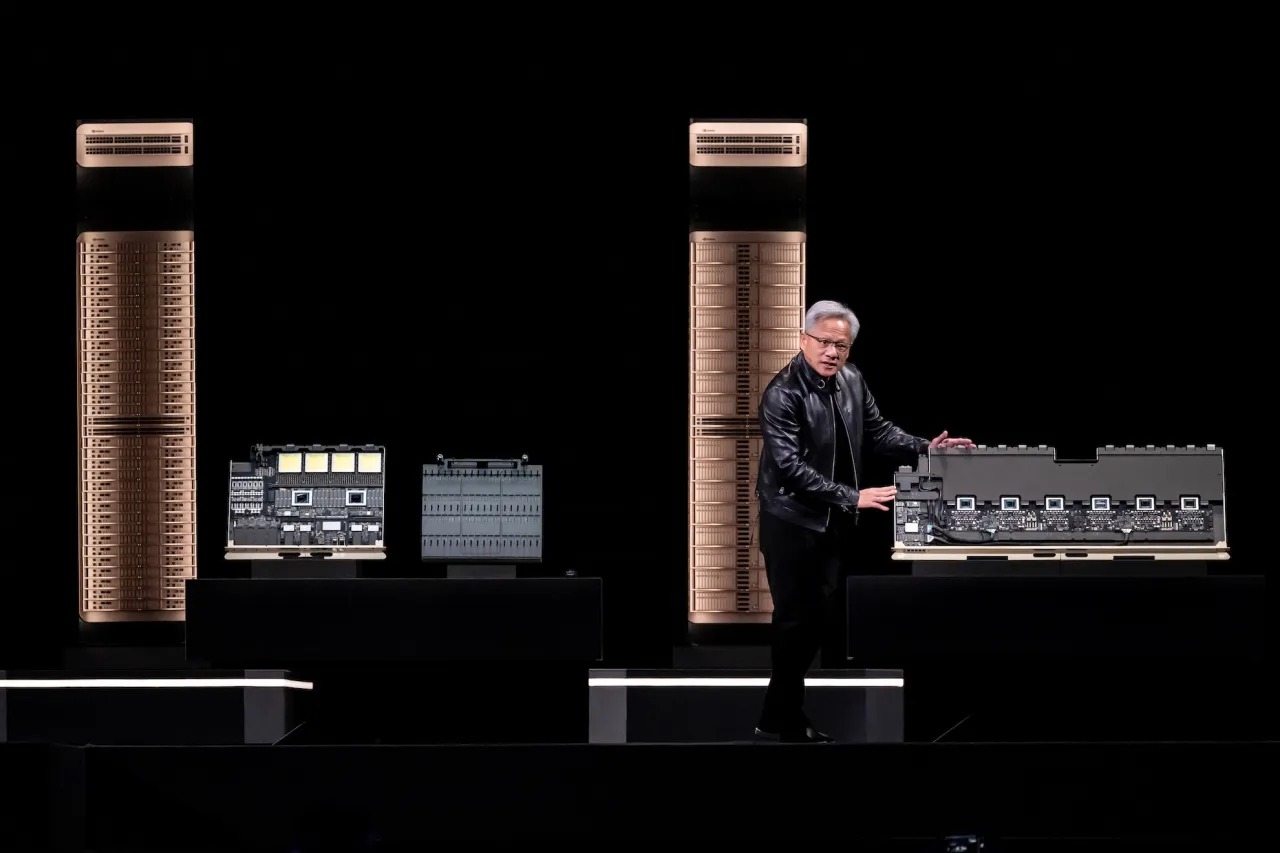
For the uninitiated, the challenge of modern AI isnt just about processing power. As data centers scale to gigawatt levels, the difficulty of moving data to the right place at the right time has become a central bottleneck. Nvidias traditional advantage in GPUs is now being supplemented and perhaps surpassed by its prowess in the systems that surround them. The company is currently rolling out its Vera Rubin architecture, which pairs the Rubin GPU with specialized units like the Vera CPU and advanced storage racks. These arent just accessories; they are critical components designed to ensure everything outside the GPU works at peak efficiency. If the GPU is the engine, these are the rest of the car.
So why is Nvidia investing so heavily in these surrounding technologies? The answer lies not in the components themselves, but in their strategic position.
Why Nvidia Needs System Orchestration
1. A Hedge Against GPU Competition
Nvidias dominance in AI chips is under siege from its own biggest customers. Companies like Amazon, Google, and OpenAI are developing their own custom silicon to reduce reliance on Nvidias high margin GPUs. As the TechCrunch article notes, investors have been wondering how durable Nvidias advantage really is. By building superior systems that make data centers more efficient, Nvidia ensures it has a stake in a future where AI development is more decentralized, and where countless smaller players and startups are using its ecosystem to run their models.
2. Owning the Data Center Ecosystem
The TechCrunch piece discussed how Nvidias VP of storage technology, Jason Hardy, emphasized the importance of orchestrating data. “Vera is important because theres only so much memory that you can put in a single server or any sort of compute platform,” Hardy said. Nvidias true secret sauce has always been CUDA, its software platform that locks developers into its hardware. The new system components provide a similar but more powerful vector: direct control over data traffic and memory management. As companies look to drive tokens per watt lower and lower, they are realizing how critical this kind of orchestration is. By solving this problem, Nvidia isnt just selling chips; its offering a total solution that makes its hardware the default choice before developers even consider alternatives.
3. Fortifying the Efficiency Strategy
Nvidia has publicly positioned itself as a defender of open source AI and an efficiency pioneer, partly as a counterweight to closed giants developing their own proprietary chips. The Vera CPU, for example, provides upwards of a 3x improvement in data operations, allowing flash storage to be used to its fullest potential without bottlenecking. This mirrors strategies from other players like OpenAI, which developed its Jalapeño chip to minimize data movement entirely. But Nvidias approach is broader: it is building an entire ecosystem where system efficiency is the primary goal. By integrating these specialized components, Nvidia is fortifying its lead not just in hardware, but in the orchestration layer that makes large scale AI feasible.
The Big Question Will the Competition Catch Up?
This leads to the central question for the industry: Can Nvidia maintain its lead as competition moves to this new layer?
The concern is real. While Nvidia looks to have a commanding lead in system orchestration, rival chipmakers and hyperscalers are not standing still. The competition has moved to a new battleground, where building a rival GPU matters less than being able to make the entire system work efficiently. Companies are investing in their own solutions to data movement and communication delays. As the TechCrunch article points out, OpenAIs integrated chip approach is a direct response to these challenges, aiming to keep entire workloads within one connected system.
For now, Nvidia appears to have the upper hand. But this is a pivotal moment. The battle for the future of AI is no longer just about who builds the best chips; it is about who controls the ecosystem, the data centers, and the very definition of efficient computing.
Conclusion
Nvidias strategic pivot toward system orchestration is a chess move of epic proportions. It is a clear signal that the next phase of the AI revolution will be fought not on a single battlefield, but across the entire landscape of hardware, software, and data management. By absorbing the complexity of megascale data centers and offering a total solution, Nvidia aims to secure its future against the giants of today while defining the ecosystem of tomorrow. Whether this is a brilliant strategic victory or the beginning of a more competitive era remains to be seen. One thing is certain: the AI world will be watching closely.
What do you think about Nvidias move beyond the GPU? Will it solidify its dominance or open the door for new competitors? Let us know in the comments below!
TechTrib.com is a leading technology news platform providing comprehensive coverage and analysis of tech news, cybersecurity, artificial intelligence, and emerging technology. Visit techtrib.com.
Contact Information: Email: [email protected] or for adverts placement [email protected]
About The Author
