

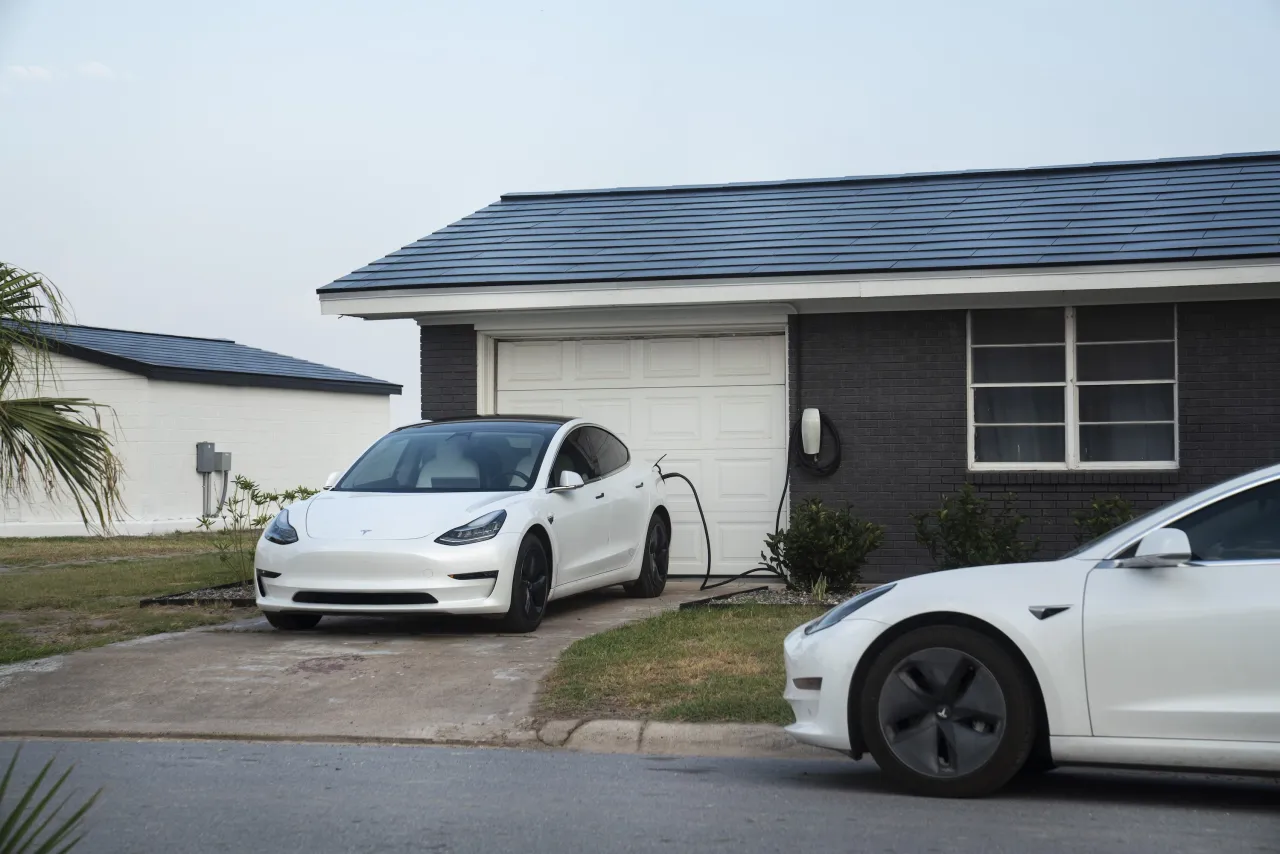
The Solar Roof That Wasn’t: Tesla’s Failed Gamble and the Physics of Ambition
In the same week that saw a giant retailer surrender to consumer convenience and a tech titan trim its AI ambitions, another chapter in the saga of overreach came to a quiet end. Tesla, the company synonymous with audacious engineering and world-changing visions, has officially killed its solar roof. The product, once hailed as a revolution in clean energy, has been scrubbed from the company’s public website, with its URL now redirecting to Tesla’s generic solar panel landing page. For a product that was supposed to be a mini-power plant disguised as elegant shingles, it is a spectacularly silent end.
A Decade of Promise, a Reality of Underperformance
When Tesla unveiled its solar roof in 2016, it promised a future where clean energy was invisible, integrated, and beautiful. The vision was intoxicating: durable, high-end roofing materials that generated electricity, making the aesthetic compromise of traditional solar panels obsolete. The company aimed for mass adoption, setting a goal of 1,000 installations per week. The reality, however, painted a starkly different picture. By 2022, after years of “refinement,” the project had reached a paltry 20 to 40 installations per week.
Tesla’s solar roof was a product that, for all its marketing genius, struggled to escape the laboratory. The ambition was clear, but the execution was plagued by a perfect storm of economic, logistical, and physical failures.
The Three Pillars of Failure: Cost, Complexity, and Physics
The Luxury Tax and a Cost Spiral
From its inception, the solar roof was a luxury product, and its price only climbed. The company’s marketing cleverly positioned it against the combined cost of a traditional roof replacement plus solar panels, making it seem viable. However, the sticker shock was brutal. Prospective customers reported receiving quotes as high as $200,000 for an installation.
While the rest of the solar industry benefited from the global mass production of standardized panels, which drove costs down dramatically, the solar roof remained an outlier. It used specialized tiles, requiring Tesla to design and purchase its own unique manufacturing equipment. When sales volumes remained stubbornly low, the per-unit cost of this custom equipment skyrocketed, creating a vicious cycle: high prices led to low demand, which kept prices high.
The Engineering Nightmare
The economics were bad enough, but physics proved to be an equally formidable adversary.
- The Heat Problem: Any electronic device exposed to direct sunlight has to manage heat. The solar roof’s design, while aesthetically pleasing, created a major vulnerability. Traditional solar panels are mounted on racks that leave a gap between the panel and the roof. This gap allows for crucial airflow, cooling the panels and preventing a drop in efficiency. For every degree Celsius increase in temperature, a solar panel’s voltage can decline by about half a percent.
- Underperformance and Integrity: Reports of the solar roof’s non-solar parts warping and the roof underlayment melting surfaced early on, hinting at the extreme thermal stress the system endured. More critically, there were widespread reports of underproduction the system simply wasn’t generating as much electricity as Tesla had promised. The likely culprit was the heat. The company attempted to incorporate a cooling gap in its design, but it was significantly smaller than on traditional systems, trapping heat and robbing the cells of their efficiency.
The Legacy of a Failed Vision
Tesla’s solar roof was the intersection of aesthetic idealism and ambitious engineering. It failed because it asked too much of a single product: to be the perfect roof, a highly efficient power generator, and an affordable consumer good, all at once.
While the product is dead, the concept of an integrated solar roof is not. Competitors like GAF and Merlin Solar are still pursuing the niche, catering to homeowners with specific aesthetic needs. However, Tesla’s retreat has dealt a significant blow to the entire category. The argument becomes stark: if the world’s most valuable car company, a leader in battery and power technology, could not make it work, who can?
A Challenge for a New Era
The death of the Tesla solar roof serves as a cautionary tale. It is a reminder that hardware is hard, and that physics does not care about market capitalization. It also reveals the limits of a “move fast and break things” culture when applied to long-term, physical infrastructure. The product was a gamble on a future where form and function would be perfectly integrated, but in the end, the economics didn’t add up, the engineering couldn’t cool down, and the customers didn’t materialize.
Perhaps the final word belongs to those who still believe in the concept. As one observer noted, Tesla’s failure might not be the end of the idea, but a “challenge to an eager founder willing to prove Elon Musk wrong.” In the meantime, for the rest of the world, it remains a powerful lesson that even the most compelling vision must eventually contend with the heat.
TechTrib.com is a leading technology news platform providing comprehensive coverage and analysis of tech news, cybersecurity, artificial intelligence, and emerging technology. Visit techtrib.com.
Contact Information: Email: [email protected] or for adverts placement [email protected]
About The Author
