

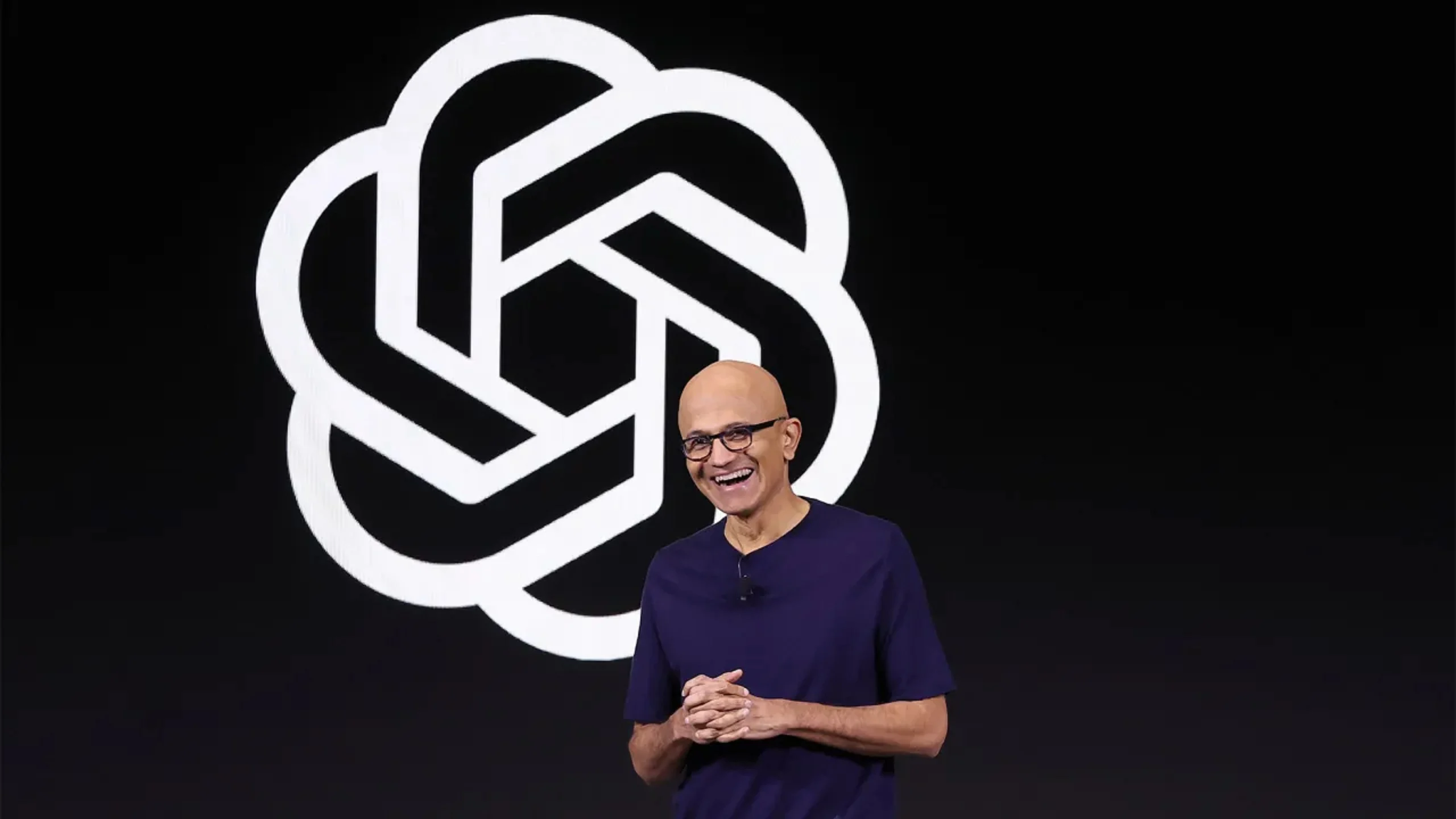
Strategic AI Dependency: A Critical Analysis of Satya Nadella’s Warning to Enterprises
In a recent interview on CNN’s “Fareed Zakaria GPS,” Microsoft CEO Satya Nadella delivered a stark warning that has sent ripples through the business community. His message was clear and uncompromising: companies that place complete trust in a single artificial intelligence provider may find themselves on a path to obsolescence. This warning, which expands upon his earlier comments this month, deserves careful examination by every business leader navigating the AI revolution.
The Core Argument
Nadella’s fundamental premise revolves around data sovereignty and operational control. He argues that enterprises are making a critical error by outsourcing their cognitive infrastructure to proprietary AI labs without maintaining proper oversight of their digital footprint. When businesses feed their proprietary data and strategic prompts into external AI models, they risk losing what Nadella describes as their “thinking” capability.
The Microsoft CEO specifically called out the danger of relying on built in coding tools from AI providers. These tools, known as harnesses, include products like Anthropic’s Claude Code and OpenAI’s ChatGPT Codex. Nadella advocates for a separation between the harness and the model itself, with context and memory maintained independently from the model provider. This architectural separation would allow companies to utilise multiple models for their specific strengths while maintaining the ability to switch providers seamlessly.
The Infrastructure Solution
Nadella proposes that companies should retain all metadata generated through their AI usage. This data retention strategy would enable organisations to train their own models or fine tune open source alternatives. He recommends the implementation of AI gateways, a layer of infrastructure that separates enterprise prompts from the model itself. This approach ensures that no single AI provider holds the keys to a company’s operational intelligence.
Microsoft’s position in this debate is not without its commercial dimensions. The company stands to benefit from this advice, as its cloud business offers precisely the kind of alternative infrastructure Nadella recommends. However, this self interest does not necessarily invalidate the underlying wisdom of his warning.
The Startup Precedent
Nadella’s concerns echo fears that have long circulated in the startup community. When OpenAI CEO Sam Altman offered AI credits to Y Combinator startups, venture capitalist Jason Calacanis issued a prescient warning. He cautioned founders that accepting these tokens could expose their business models to potential replication by the AI provider itself. This classic platform risk has now been elevated to the enterprise level.
Enterprise Risk Assessment
The risk Nadella identifies extends beyond simple cost considerations. He envisions a scenario where companies become so dependent on a single AI provider that their competitive differentiation erodes. If an AI lab can observe how enterprises deploy their models, the potential exists for these providers to develop competing services that leverage the accumulated intelligence of their entire customer base.
This concern becomes particularly acute as enterprises deploy AI agents with access to their internal systems. The more deeply embedded a proprietary AI becomes in business operations, the more difficult and costly it becomes to extract that intelligence and migrate to alternatives. Nadella warns that companies without proper control over their AI infrastructure may not survive this transition.
Individual Consumer Context
Notably, Nadella draws a clear distinction between enterprise and consumer protection. For individual users, he suggests that data sharing is simply the price of accessing free services. This perspective aligns with the traditional advertising business model, where consumer data serves as currency for free access to digital services.
Strategic Recommendations
For business leaders, several actionable insights emerge from Nadella’s warning:
First, enterprises should treat AI providers as valuable but temporary partners, not permanent solutions. Building internal capabilities and maintaining data sovereignty should remain strategic priorities.
Second, organisations should implement AI gateway infrastructure that separates their proprietary prompts and context from the underlying models. This architecture enables model flexibility and provider independence.
Third, companies should actively explore open weight models that can be fine tuned and deployed on their own hardware. This approach reduces dependency on any single provider while maintaining customisation capabilities.
Fourth, businesses should carefully evaluate the long term implications of sharing strategic data with AI providers. The convenience of today’s solutions must be weighed against tomorrow’s competitive risks.
Conclusion
Satya Nadella’s warning represents a significant moment in the evolution of enterprise AI adoption. While his advice carries commercial implications for Microsoft, the underlying message transcends corporate self interest. The businesses that thrive in the AI era will likely be those that maintain strategic control over their cognitive infrastructure while leveraging multiple AI models as complementary tools rather than singular dependencies.
The path forward requires a delicate balance: embracing the transformative power of AI while maintaining the institutional intelligence that has always been the foundation of competitive advantage. Nadella’s warning serves as a timely reminder that in the age of artificial intelligence, the most valuable intelligence remains the strategic judgment of human leaders who understand both the power and the peril of the tools at their disposal.
TechTrib.com is a leading technology news platform providing comprehensive coverage and analysis of tech news, cybersecurity, artificial intelligence, and emerging technology. Visit techtrib.com.
Contact Information: Email: news@techtrib.com or for adverts placement adverts@techtrib.com
About The Author
