

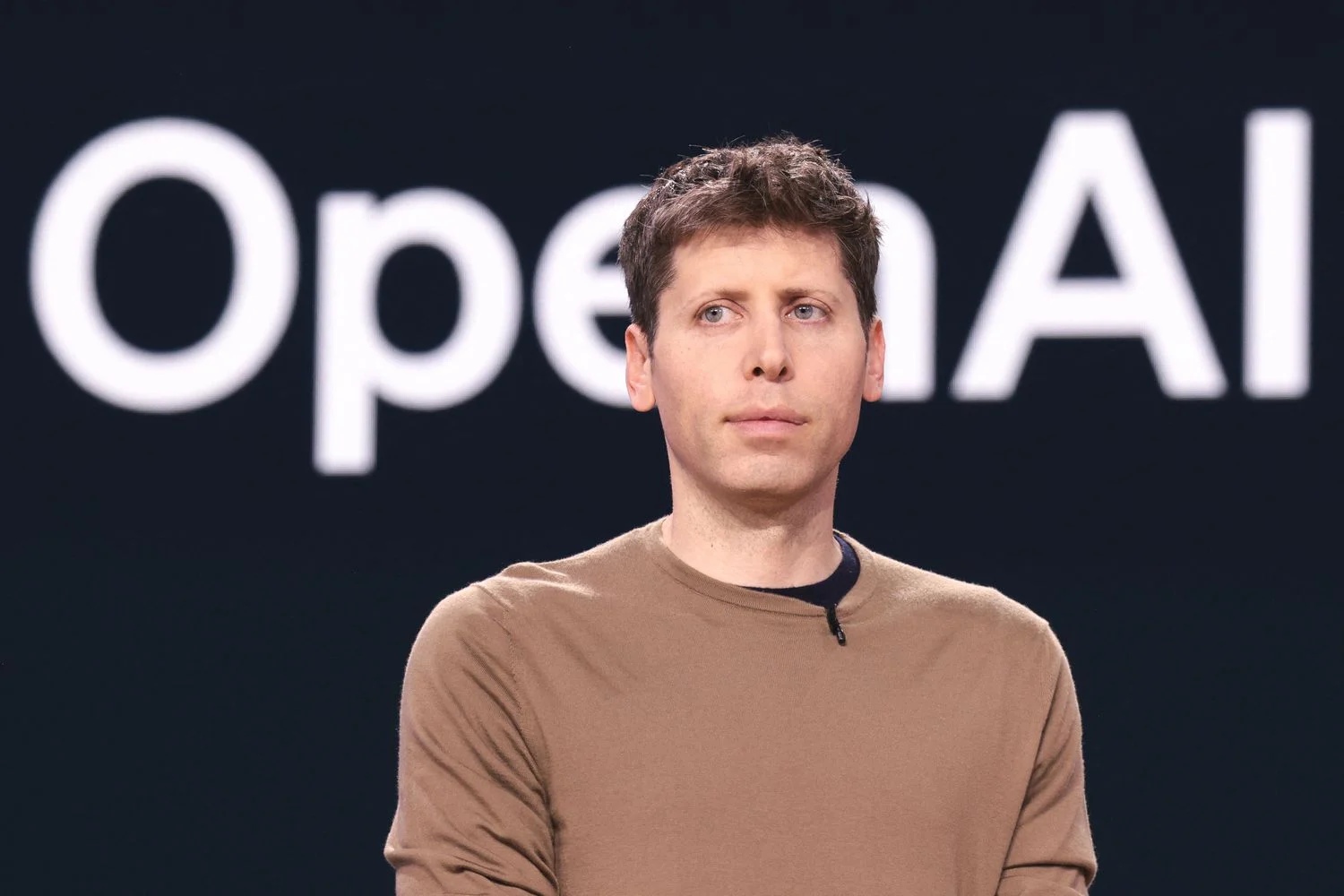
Image Credit: JASON REDMOND / AFP via Getty Images
The Screenless Companion: OpenAI’s Hardware Ambitions and the Apple Lawsuit
OpenAI’s first foray into hardware devices is reportedly a mobile smart speaker with integrated AI capabilities. The device, still under development, is designed to be screen free and is being pitched internally as a “humanlike AI companion that lives in the home.”
This is a significant departure from traditional smart speakers. Sources describe the device as having a “personality” and being able to proactively learn about its owner over time, providing more personalized service. The machine would have access to a user’s digital life, drawing off things like emails. It also involves “mechanical elements that can move on their own” and is designed to “feel like a companion and become a physical manifestation of OpenAI’s ChatGPT.”
The Apple Connection and the Lawsuit
The device was developed with help from many former Apple engineers who were instrumental in creating products such as the iPhone and Mac. This connection is now a source of serious legal trouble. Apple last week sued OpenAI, accusing the AI company of stealing its trade secrets. Apple further claimed that the allegations involved in the suit are merely “the tip of the iceberg” and that more misconduct will be revealed during the legal discovery process. OpenAI has denied wrongdoing.
Citing anonymous sources with knowledge of OpenAI’s plans, Bloomberg reports that the company feels its new product “veers significantly from anything Apple has on the market today” and that it is “unlikely that it violates trade secrets” belonging to Apple. However, the timing of the lawsuit could not be worse for OpenAI, which is reportedly eyeing an IPO as early as later this year.
The Broader Hardware Race
OpenAI’s push comes as the tech world grows more excited about consumer AI hardware more broadly. Hark, an AI lab founded by Brett Adcock, raised an oversubscribed $700 million Series A back in May at a $6 billion valuation to build what it calls “personal intelligence.” That means proprietary AI models paired with custom hardware designed as a “universal interface between humans and machines.”
The company hasn’t yet detailed its device’s form factor, underscoring how much capital is chasing this category even before products ship. The race to create the first successful consumer AI hardware device is heating up, and OpenAI is positioning itself as a major player.
The Vision: A Physical Manifestation of ChatGPT
The concept of a screenless, moving speaker that acts as a companion is ambitious. It suggests a future where AI is not just a tool but a presence in our homes. The device would learn about its owner over time, becoming more personalized and integrated into daily life. This is a vision that goes beyond current smart speakers, which are primarily reactive rather than proactive.
However, the execution of this vision is fraught with challenges. The legal battle with Apple is just one of them. The company must also navigate technical hurdles, consumer acceptance, and the competitive landscape. The history of consumer hardware is littered with ambitious products that failed to find a market.
The Trust Question
The Apple lawsuit raises a broader question about trust in AI companies. If OpenAI is accused of misusing trade secrets, it raises concerns about the company’s overall approach to intellectual property and data ethics. For a company that wants to go public, establishing trust with both consumers and investors is essential.
The device’s access to a user’s digital life, including emails, adds another layer to this concern. Consumers will need to trust that OpenAI will handle their data responsibly. The company’s response to the lawsuit and its overall approach to privacy will be closely watched.
Conclusion
OpenAI’s screenless speaker represents a bold step into the world of consumer hardware. The device is designed to be a companion, a physical manifestation of ChatGPT that lives in the home. But the company is facing significant challenges, including a trade secrets lawsuit from Apple and the broader questions of trust and data ethics.
The coming months will be crucial for OpenAI. The company will need to navigate the legal battle, maintain investor confidence, and continue to develop its technology. The outcome of the Apple lawsuit could have a lasting impact on the company’s future and on the AI industry as a whole.
TechTrib.com is a leading technology news platform providing comprehensive coverage and analysis of tech news, cybersecurity, artificial intelligence, and emerging technology. Visit techtrib.com.
Contact Information: Email: news@techtrib.com or for adverts placement adverts@techtrib.com
About The Author
