

The Zero-Day and the Departing Employee: A New Corporate Espionage Nightmare
The battle for AI supremacy has entered a dangerous new phase, moving beyond boardroom strategy and into the realm of alleged corporate espionage. A recent lawsuit has lifted the lid on a startling security breach, highlighting the extreme vulnerabilities companies face when their most sensitive data becomes the ultimate prize in the war for talent and technology.
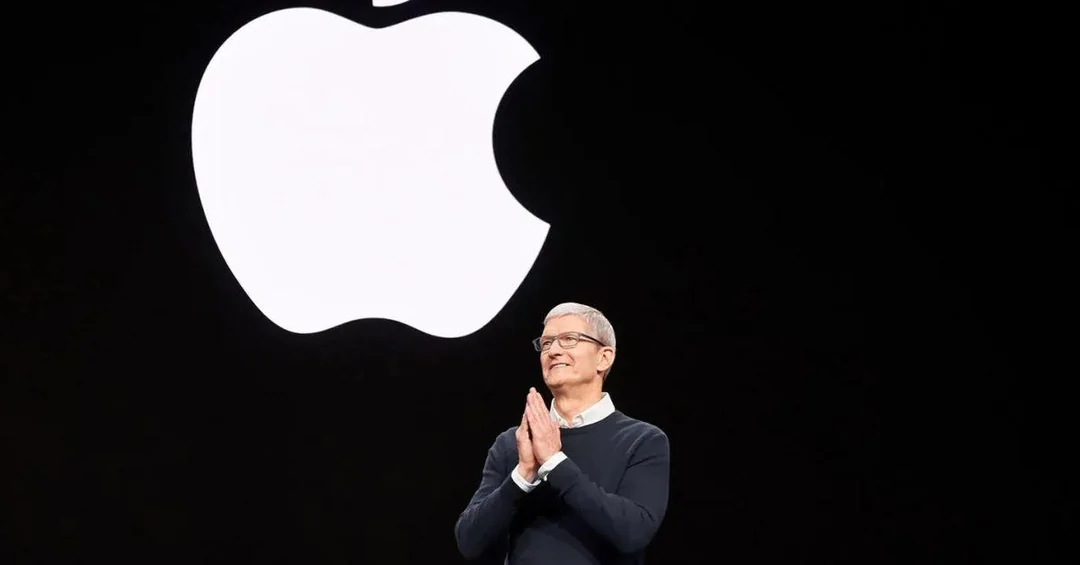
At the center of the storm is Apple, which has filed a lawsuit against OpenAI, claiming theft of trade secrets. The details of the case read like a cyber-thriller, featuring a rare software bug, a former employee, and a trove of confidential files on unreleased products.
The “Rare Bug” and the Ex-Employee
The incident revolves around a former Apple system electrical engineer, Chang Liu, who allegedly exploited what the company describes as a “rare, previously unknown authentication bug.” This bug, classified as a zero-day vulnerability meaning Apple had no time to patch it before it was used allowed Liu to access Apple’s shared network folders.
The truly alarming aspect? Liu allegedly carried out this data siphoning weeks after he had already left Apple to take a job at OpenAI. This wasn’t a case of a departing employee grabbing a few files on their last day. This was a sustained, post-employment breach that exploited a fundamental flaw in the company’s access controls.
A Failure of Access Control
The case underscores a critical, and often overlooked, aspect of corporate security: the complete decommissioning of an employee’s digital identity. While Apple has since fixed the bug and terminated the access, the incident raises serious questions about how long the former employee’s credentials remained active.
According to the complaint, Liu not only retained access but also failed to return his Apple-issued work laptop. Furthermore, he allegedly misused the access of an acquaintance, Yu-Ting Peng, who was still employed at Apple, using her work laptop to further his efforts. This highlights how a single point of failure incomplete offboarding can be compounded by internal trust and human relationships.
The Stolen Data and the “Funny” Discovery
The scale of the alleged theft is significant. Apple claims Liu took “dozens of Apple’s confidential hardware-related files” over several weeks, containing “detailed information about unreleased products, engineering presentations, technical specifications, and proprietary project data.”
Perhaps most chilling is the casual nature of the discovery. Upon realizing he still had access, Liu allegedly messaged his acquaintance: “LOL, I found out I can access the [network storage], so funny.” This suggests a lack of urgency or ethical hesitation, framing a massive security breach as a mere curiosity rather than a grave violation of trust and company policy.
The Bigger Picture: AI as a Motivation
This incident is not occurring in a vacuum. It is a stark illustration of the immense pressure and high stakes in the race to develop cutting-edge artificial intelligence. The data allegedly stolen hardware specifications and engineering details represents the lifeblood of Apple’s innovation. For a competitor like OpenAI, which is building the infrastructure for the future of computing, such insights could be invaluable.
While OpenAI has publicly stated it has “no interest in other companies’ trade secrets,” the lawsuit paints a picture of a system where the boundaries between talent acquisition and intellectual property theft have become dangerously blurred.
A Warning for Every Organization
The case serves as a powerful warning for every company, regardless of size. The core issue is not just about a sophisticated zero-day exploit; it’s about a failure of process. If a departing employee can retain access to the network weeks after their departure, the system is fundamentally broken.
Key takeaways for any business:
- Immediate Offboarding: The process of revoking all digital access must be immediate and automated, triggered the moment an employment separation is confirmed.
- Asset Recovery: Proactively tracking and retrieving all company-issued devices is non-negotiable. A laptop left in the hands of a former employee is an open door to the network.
- Zero-Day Awareness: While rare, zero-day vulnerabilities are an inevitable reality. A robust security posture must include continuous monitoring for anomalous behavior, not just perimeter defense.
- Culture of Responsibility: Employees at all levels must be trained to recognize and report security vulnerabilities, not exploit them for personal or professional gain.
The legal battle between these tech giants is just beginning. But the underlying lesson is already clear: in the fight for data security, the greatest risk often comes not from outside hackers, but from the inside and from the access we fail to revoke.
TechTrib.com is a leading technology news platform providing comprehensive coverage and analysis of tech news, cybersecurity, artificial intelligence, and emerging technology. Visit techtrib.com.
Contact Information: Email: news@techtrib.com or for adverts placement adverts@techtrib.com
About The Author
