

What the Executive Order Does
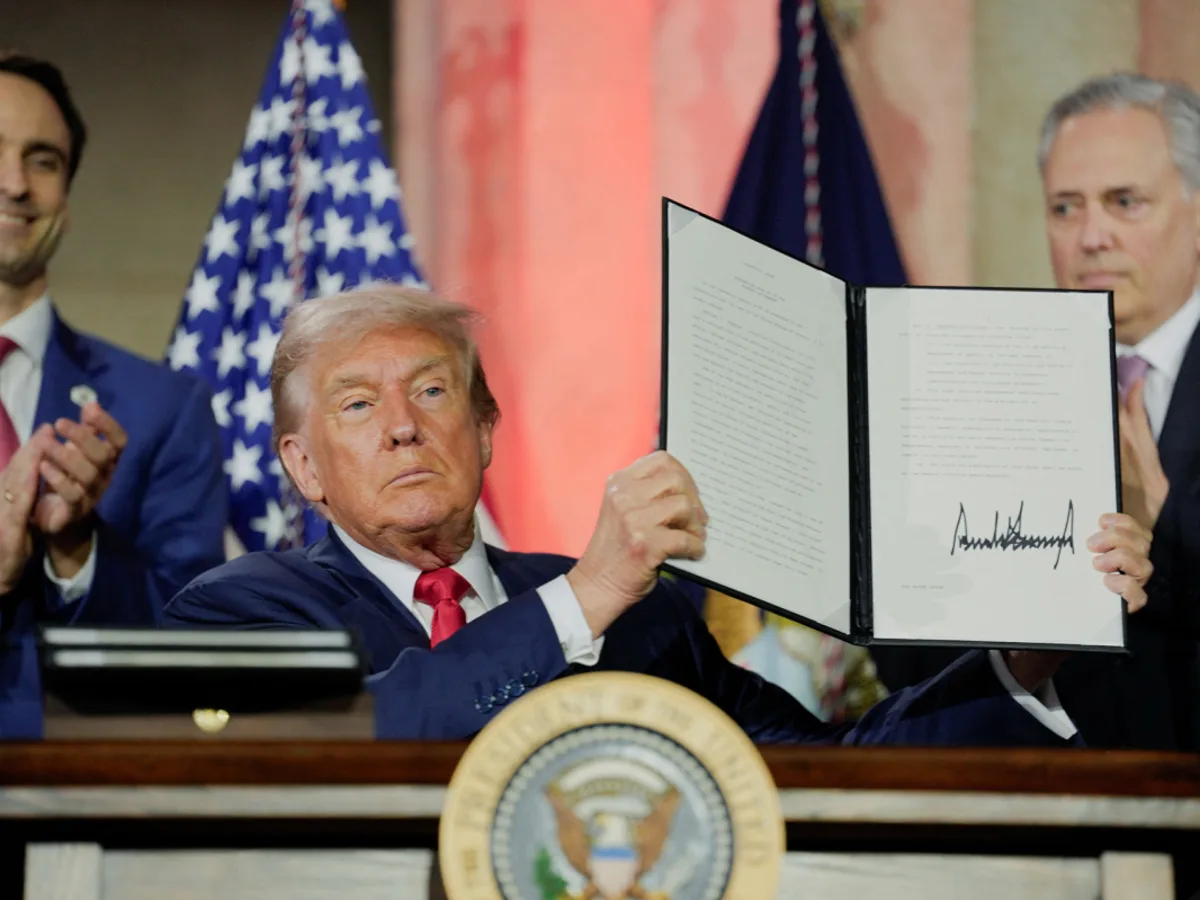
According to reporting from Reuters and Axios, the executive order seeks to give the federal government early access to advanced AI models before they are publicly released, allowing national security agencies to assess potential risks. The White House also briefed major AI companies including OpenAI, Anthropic, Google DeepMind, and Meta AI on plans for a formal model review process, which would require developers to submit their most powerful models for government evaluation prior to deployment.
The order also addresses cybersecurity vulnerabilities that could be exploited by AI systems, directing federal agencies to develop new protocols for detecting and mitigating AI-enabled cyberattacks. This comes in the wake of a high-profile cyberattack on West Pharma Services, which the company confirmed on May 20, though it stated it was fully operational and saw no impact on its 2026 financial forecast.
Security Fears Drive the Policy Shift
The timing of the executive order is notable. Anthropic’s recently released Mythos AI model sparked fears in some quarters about its potential to assist malicious hackers, though Reuters reported that these concerns were “overstated.” Nevertheless, the episode highlighted the growing anxiety both inside and outside government about the dual-use potential of frontier AI models. The administration’s decision to act reflects a recognition that AI capabilities are advancing faster than existing regulatory frameworks can accommodate.
Axios reported that the executive order was the product of significant internal White House debate, with some officials pushing for a lighter-touch approach and others particularly those with national security backgrounds advocating for more robust oversight mechanisms. The final order appears to represent a compromise, establishing a review process without imposing outright bans or hard capability limits.
Industry Reaction: Cautious Acceptance
Initial reactions from the AI industry were cautiously accepting. Major AI labs have long argued that some form of government engagement is preferable to a patchwork of state-level regulations a concern that led to an earlier Trump executive order preempting state AI laws. The new order’s focus on national security applications, rather than consumer protection or bias mitigation, aligns more closely with the industry’s preferred framing of AI governance.
However, some civil liberties advocates expressed concern about the lack of transparency in the proposed model review process, warning that government access to pre-release AI models could create opportunities for surveillance or censorship.
The Broader Regulatory Landscape
The executive order arrives at a pivotal moment for AI governance globally. The European Union’s AI Act is now in full effect, China has implemented its own AI regulations, and the United States has been under pressure to establish a coherent federal framework. While the new order falls short of comprehensive AI legislation which would require Congressional action it represents a meaningful step toward establishing federal guardrails around the most powerful AI systems.
For quality tech news, professional analysis, insights, and the latest updates on technology, follow TechTrib.com. Stay connected and join our fast-growing community.
TechTrib.com is a leading technology news platform providing comprehensive coverage and analysis of tech news, cybersecurity, artificial intelligence, and emerging technology. Visit techtrib.com.
Contact Information: Email: [email protected] or for adverts placement [email protected]
About The Author
