

Image Credit: Leadstory.com
This story addresses the critical environmental implications of AI’s rapid expansion and the unintended consequences of massive data center growth.
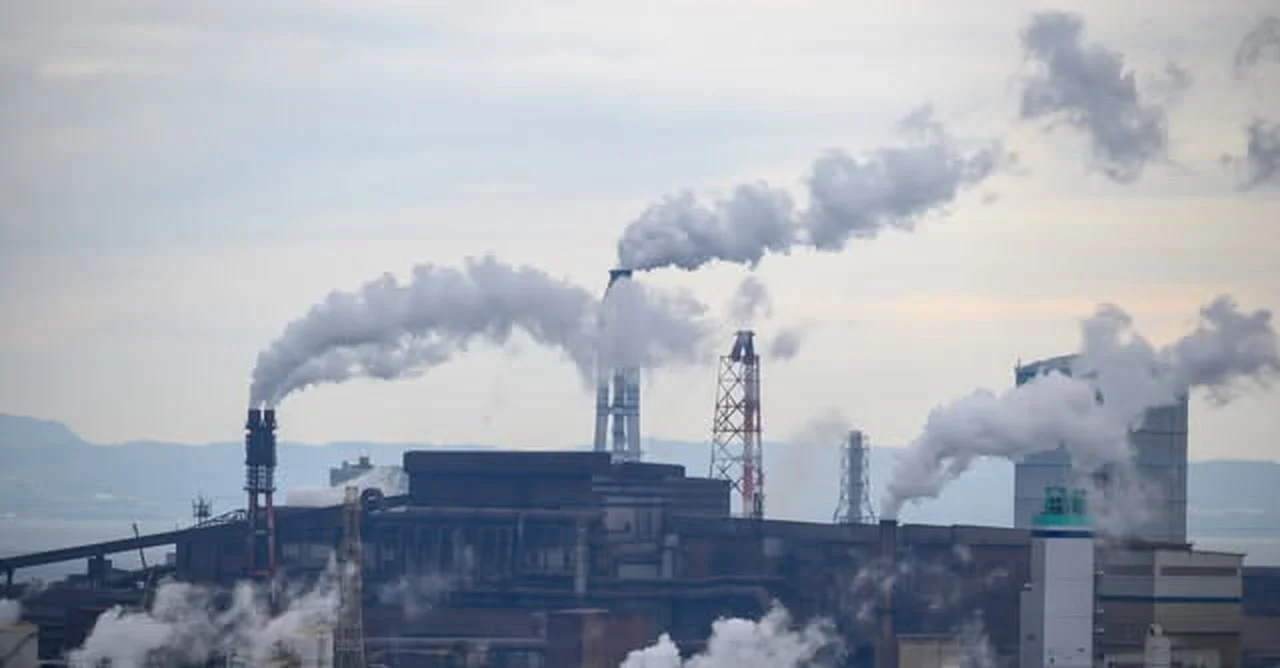
The artificial intelligence boom is having an unexpected and troubling environmental consequence: forcing obsolete, highly polluting “peaker” power plants back into service to meet the enormous energy demands of AI data centers. This development threatens to undermine climate goals and highlights the urgent need for sustainable AI infrastructure.
The AI Energy Crisis
As companies like OpenAI, Google, Microsoft, and Meta race to deploy increasingly powerful AI models, their data centers are consuming unprecedented amounts of electricity. Training large language models and running AI inference at scale requires massive computational power, translating directly into enormous energy consumption.
The numbers are staggering:
- AI data centers can consume 10-50 times more energy per square foot than traditional data centers
- Training a single large AI model can consume as much electricity as 100 homes use in a year
- Global AI energy consumption is projected to triple by 2030
- Some AI data centers require as much power as small cities
Peaker Plants: The Dirty Solution
To meet this surging demand, utility companies are being forced to bring back “peaker” power plants – older, less efficient facilities that were previously retired or used only during peak demand periods. These plants typically burn natural gas, coal, or oil and produce significantly more emissions per unit of electricity than modern facilities.
Peaker plants are characterized by:
- Higher emissions rates than baseload power plants
- Less efficient fuel combustion
- Older pollution control technology
- Ability to quickly ramp up power generation
Geographic Impact and Environmental Justice
The environmental impact isn’t distributed equally. Many of these reactivated peaker plants are located in communities that already bear a disproportionate burden of pollution. The resurgence of these facilities raises serious environmental justice concerns.
Areas particularly affected include:
- Industrial corridors near major data center hubs
- Communities adjacent to existing power infrastructure
- Regions with historically high pollution levels
- Areas with limited political representation
The Climate Contradiction
This development creates a troubling contradiction in the tech industry’s climate commitments. While major tech companies have pledged to achieve carbon neutrality or even carbon negativity, the energy demands of their AI operations are driving increased fossil fuel consumption.
The irony is particularly stark given that AI is often touted as a solution to climate change through:
- Optimizing energy grids and reducing waste
- Improving weather prediction and climate modeling
- Accelerating clean energy research and development
- Enhancing efficiency in transportation and logistics
Industry Response and Mitigation Efforts
Recognizing the problem, some tech companies are taking steps to address the energy intensity of AI operations:
Microsoft has committed to being carbon negative by 2030 and is investing heavily in renewable energy projects to power its data centers.
Google has pledged to run its operations on 24/7 carbon-free energy by 2030 and is developing more efficient AI chips.
Meta is focusing on improving the efficiency of its AI models and investing in renewable energy infrastructure.
Technological Solutions on the Horizon
Several technological approaches could help mitigate the environmental impact of AI data centers:
More Efficient Hardware:
- Specialized AI chips that consume less power per operation
- Advanced cooling systems that reduce energy overhead
- Quantum computing for certain AI applications
Software Optimization:
- More efficient AI algorithms that require less computation
- Better model compression and pruning techniques
- Improved workload scheduling to match renewable energy availability
Policy and Regulatory Implications
The environmental impact of AI data centers is likely to attract increased regulatory attention. Potential policy responses could include:
- Carbon pricing mechanisms for data center operations
- Renewable energy requirements for AI companies
- Environmental impact assessments for large AI projects
- Incentives for energy-efficient AI development
The Path to Sustainable AI
Addressing this challenge will require coordinated action across multiple fronts:
Short-term solutions:
- Prioritizing renewable energy procurement for data centers
- Improving data center efficiency and cooling systems
- Optimizing AI workloads for energy efficiency
Long-term strategies:
- Developing fundamentally more efficient AI architectures
- Investing in next-generation renewable energy infrastructure
- Creating industry standards for sustainable AI development
The AI revolution has brought tremendous benefits, but it cannot come at the cost of environmental destruction. As the industry continues to grow, finding sustainable solutions for AI’s energy demands will be crucial for both technological progress and climate goals.
For quality tech news, professional analysis, insights, and the latest updates on technology, follow TechTrib.com. Stay connected and join our fast-growing community.
TechTrib.com is a leading technology news platform providing comprehensive coverage and analysis of tech news, cybersecurity, artificial intelligence, and emerging technology. Visit techtrib.com.
Contact Information: Email: [email protected] or for adverts placement [email protected]
About The Author
