

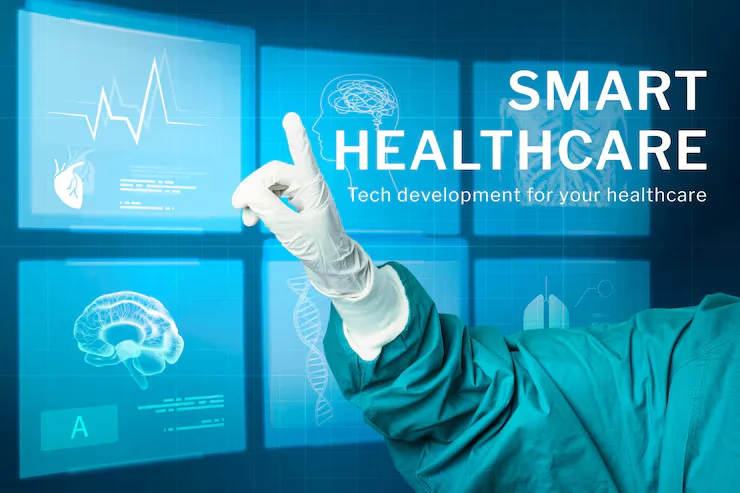
In a groundbreaking announcement today, the technology and healthcare sectors have been introduced to a transformative concept that promises to revolutionize how we understand and interact with human biology: the Internet of Beings (IoB). This innovative framework represents a paradigm shift in digital health, merging cutting-edge biotechnology with advanced computing to create a comprehensive digital representation of the human body.
Understanding the Internet of Beings
The Internet of Beings is an emerging concept that extends the principles of the Internet of Things (IoT) to human physiology. Rather than connecting only external devices and sensors, IoB aims to create a seamless digital ecosystem where biological data from the human body is continuously monitored, analyzed, and integrated into a unified digital platform.
Core Components of IoB
At its foundation, the Internet of Beings relies on several key technologies working in concert. Wearable biosensors capable of measuring vital signs, glucose levels, heart rate variability, and neural activity form the first layer. These devices communicate with advanced cloud-based systems that process and analyze the data in real-time. Machine learning algorithms then interpret this information to provide actionable insights about an individual’s health status and potential risks.
The architecture also incorporates implantable devices, non-invasive monitoring systems, and genetic data integration, creating a holistic view of human health at the molecular level. This comprehensive approach enables unprecedented precision in health monitoring and intervention.
Healthcare Applications and Benefits
The potential healthcare applications of the Internet of Beings are profound and far-reaching. One of the most significant advantages is the shift from reactive to predictive medicine. Rather than treating diseases after they manifest, IoB systems can identify health risks before symptoms appear, enabling early intervention and prevention strategies.
Personalized Medicine and Treatment
IoB technology enables truly personalized medicine tailored to an individual’s unique genetic makeup, lifestyle, and environmental factors. Healthcare providers can access real-time data about a patient’s physiological state, allowing for precise medication dosing, treatment timing, and therapeutic adjustments. This level of customization could dramatically improve treatment efficacy while reducing adverse effects and unnecessary interventions.
Chronic Disease Management
For patients with chronic conditions such as diabetes, heart disease, and respiratory disorders, continuous monitoring through IoB systems provides unprecedented control and management capabilities. Automated alerts can notify patients and healthcare providers of concerning changes, enabling rapid response and preventing complications. This continuous feedback loop empowers patients to take active roles in managing their health.
Emergency Response and Telemedicine
IoB systems can dramatically improve emergency response by providing paramedics and emergency room physicians with comprehensive patient data before arrival. This information enables faster diagnosis and more appropriate treatment decisions. Additionally, the technology enhances telemedicine capabilities, allowing remote healthcare providers to monitor patients with the same level of detail as in-person examinations.
Technology Implications and Innovation
The Internet of Beings represents a significant technological frontier that will drive innovation across multiple sectors. The computational demands of processing and analyzing vast amounts of biological data require advances in artificial intelligence, edge computing, and quantum computing technologies.
Data Processing and AI Integration
Machine learning algorithms must be trained to recognize patterns in biological data that correlate with health outcomes. This requires massive datasets and sophisticated neural networks capable of identifying subtle relationships between physiological variables. The development of specialized AI models for different organ systems and disease states will be crucial to IoB’s success.
Infrastructure and Connectivity
Supporting billions of connected biological sensors requires robust infrastructure, including 5G and future 6G networks, distributed cloud computing, and edge processing capabilities. The technology must be reliable, low-latency, and capable of handling the enormous data volumes generated by continuous human monitoring.
Privacy Concerns and Security Challenges
While the potential benefits of the Internet of Beings are substantial, significant privacy and security concerns must be addressed. Biological data is among the most sensitive personal information, revealing intimate details about health status, genetic predispositions, and lifestyle choices.
Data Protection and Ownership
Critical questions arise regarding who owns biological data and how it can be used. Robust regulatory frameworks must be established to ensure individuals maintain control over their biological information and that data cannot be exploited by corporations, insurers, or governments. Encryption standards and data governance policies must be strengthened to protect against unauthorized access and misuse.
Ethical Considerations
The Internet of Beings raises profound ethical questions about autonomy, consent, and the right to privacy. Individuals must have clear understanding of what data is being collected, how it will be used, and the ability to opt out without penalty. Additionally, safeguards must prevent discrimination based on biological data, particularly in employment, insurance, and lending decisions.
Future Outlook and Societal Impact
The Internet of Beings is poised to become one of the most transformative technologies of the coming decades. As the technology matures and becomes more accessible, it will likely reshape healthcare delivery, disease prevention, and our fundamental understanding of human health.
The convergence of IoB with other emerging technologies such as artificial intelligence, nanotechnology, and biotechnology will create unprecedented opportunities for extending human healthspan and improving quality of life. However, realizing this potential requires careful attention to privacy, equity, and ethical considerations.
As we stand at the threshold of this technological revolution, society must engage in thoughtful dialogue about how to harness the benefits of the Internet of Beings while protecting fundamental human rights and values. The decisions we make today will shape the future of healthcare and human experience for generations to come.
For quality tech news, professional analysis, insights, and the latest updates on technology, follow TechTrib.com. Stay connected and join our fast-growing community.
TechTrib.com is a leading technology news platform providing comprehensive coverage and analysis of tech news, cybersecurity, artificial intelligence, and emerging technology. Visit techtrib.com.
Contact Information: Email: news@techtrib.com or for adverts placement adverts@techtrib.com
About The Author
