

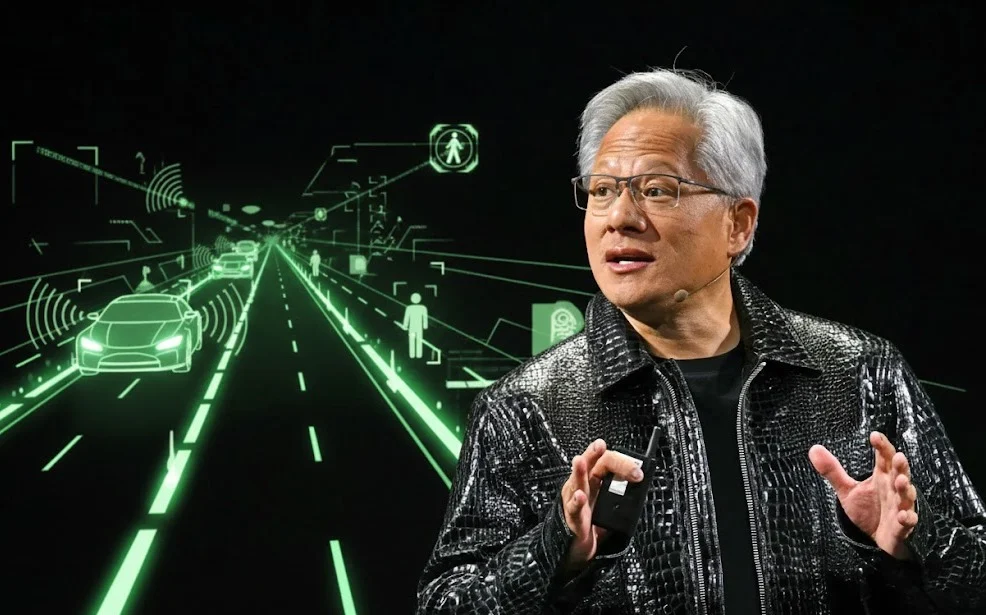
In a groundbreaking announcement that promises to accelerate the development of autonomous vehicle technology, Nvidia has unveiled a suite of open-source AI models specifically designed for autonomous driving research. This strategic move marks a significant shift in how the industry approaches self-driving car development, democratizing access to cutting-edge artificial intelligence tools that were previously available only to well-funded organizations.
A New Era of Autonomous Vehicle Development
Nvidia’s latest initiative represents a pivotal moment in the autonomous driving sector. By releasing these powerful AI models to the research community, the company is enabling developers, researchers, and startups worldwide to build upon proven frameworks and accelerate innovation in autonomous vehicle technology. The models are built on Nvidia’s proven architecture and incorporate years of research and development in deep learning and computer vision.
The open-source approach addresses a critical challenge in the autonomous driving industry: the need for standardized, reliable AI models that can be customized for various vehicle types and driving conditions. Rather than forcing organizations to develop their own models from scratch, Nvidia’s solution provides a solid foundation that researchers can build upon and adapt to their specific needs.
Technical Specifications and Capabilities
Advanced Computer Vision Systems
The released models feature state-of-the-art computer vision capabilities that enable vehicles to accurately perceive their environment. These systems can identify pedestrians, vehicles, road signs, and lane markings with remarkable precision, even in challenging weather conditions and low-light scenarios. The models have been trained on millions of hours of real-world driving data, ensuring robust performance across diverse driving environments.
Real-Time Processing and Inference
One of the standout features of Nvidia’s new models is their ability to perform real-time inference on edge devices. This means autonomous vehicles can process sensor data and make critical driving decisions with minimal latency, a crucial requirement for safe autonomous operation. The models are optimized to run efficiently on Nvidia’s hardware platforms, from data center GPUs to embedded automotive processors.
Multi-Modal Sensor Fusion
The AI models support integration with multiple sensor types including cameras, LiDAR, and radar systems. This multi-modal approach provides redundancy and improved accuracy in environmental perception, a key factor in ensuring the safety and reliability of autonomous vehicles. The models can intelligently fuse data from different sensors to create a comprehensive understanding of the vehicle’s surroundings.
Impact on the Autonomous Driving Industry
The release of these open-source models is expected to have far-reaching implications for the autonomous driving industry. Smaller companies and research institutions that previously lacked the resources to develop sophisticated AI systems can now access enterprise-grade tools. This democratization of technology could accelerate the timeline for autonomous vehicle deployment and foster innovation across the sector.
Major automotive manufacturers and technology companies are already exploring how to integrate these models into their autonomous driving platforms. The standardization that Nvidia’s models provide could also facilitate better collaboration between different organizations working on autonomous vehicle technology, potentially leading to industry-wide improvements in safety and performance.
Safety and Regulatory Considerations
Nvidia has emphasized that these models have been developed with safety as a paramount concern. The company has conducted extensive testing and validation to ensure that the AI systems perform reliably in real-world driving scenarios. Additionally, Nvidia is working closely with regulatory bodies to ensure that autonomous vehicles using these models meet all applicable safety standards and regulations.
The open-source nature of the models also allows for greater transparency and scrutiny from the research community. This peer review process can help identify potential vulnerabilities and areas for improvement, ultimately contributing to safer autonomous driving systems.
Future Roadmap and Continuous Improvement
Nvidia has committed to regularly updating and improving these models based on feedback from the research community and real-world performance data. The company plans to release new versions that incorporate advances in AI research and address emerging challenges in autonomous driving. This commitment to continuous improvement ensures that the models will remain at the forefront of autonomous vehicle technology.
The company is also establishing partnerships with leading research institutions and automotive manufacturers to ensure that the models evolve in line with industry needs and best practices. These collaborations will help shape the future direction of autonomous driving technology and ensure that the models remain relevant and effective.
Conclusion
Nvidia’s decision to release open-source AI models for autonomous driving research represents a transformative moment for the industry. By providing researchers and developers with access to cutting-edge technology, Nvidia is accelerating the path toward safe, reliable, and widely available autonomous vehicles. As the autonomous driving sector continues to evolve, these models will likely serve as a foundation for countless innovations and breakthroughs in the years to come.
The democratization of autonomous driving AI technology promises to benefit not only the industry but also society as a whole, bringing us closer to a future where autonomous vehicles are commonplace and transportation is safer, more efficient, and more accessible to everyone.
For quality tech news, professional analysis, insights, and the latest updates on technology, follow TechTrib.com. Stay connected and join our fast-growing community.
TechTrib.com is a leading technology news platform providing comprehensive coverage and analysis of tech news, cybersecurity, artificial intelligence, and emerging technology. Visit techtrib.com.
Contact Information: Email: [email protected] or for adverts placement [email protected]
About The Author
